Joe Jordan, the writer and
film historian who applied his prodigious research and keen analysis to acclaimed
books on the movies of Robert Wise and William Castle, has now focused his
critical acumen on one of Hollywood’s most legendary directors in “Magic Time:
The Films and Scripts of Billy Wilder.” (BearManor Media, 2023)
Born in 1906, Wilder worked
as a journalist before turning to film. He initially made his mark writing film
scripts in Germany before emigrating to America and pairing up with screenwriter
Charles Brackett on such classic pictures as “Midnight” (1939), “Ninotchka”
(1939) and “Ball of Fire” (1941). The two continued working together as Wilder
graduated to the director’s chair on “Double Indemnity” (1944), “The Lost
Weekend” (1945) and “Sunset Boulevard” (1950), before terminating their
partnership upon completion of the latter. Wilder then teamed with screenwriter
I.A.L. Diamond on another run of classics, inclusive of “Ace in the Hole”
(1951), “Some Like it Hot” (1959 and “The Apartment” (1960).
From the beginning to end of
his directing career, Wilder was an authentic auteur, one whose films were
easily identifiable by their visual elegance, sardonic wit and often-dark take
on human nature. Few were his equal at blending cynicism and romanticism. Wilder
maintained this distinctiveness over an extraordinary range of material—film
noir, screwball comedy, wartime thriller, courtroom drama, Cold War satire.
“Magic Time” is another
standout addition to the body of critical literature devoted to the great
filmmaker. Following the recipe of his book “Robert Wise: The Motion Pictures”
(2020), Jordan treats each film to its own chapter. Chapters 1 through 10 cover
the films Wilder worked on as screenwriter only; chapters 11 through 35 on
those he made as a director/writer. Jordan briefly describes the historical and
social context at the start of each new production—including Wilder’s personal
and professional circumstances, his state of mind, his thoughts about the
actors and crew—before launching into a lengthy comprehensive synopsis, leaving
out no detail or plot point. The effect is almost like watching the film unfold
in one’s mind, so if it’s been awhile since you’ve seen, say, “A Foreign
Affair” (1948), Jordan brings you up to speed as he touches on narrative, theme,
tone, performance—the total fabric of the film, liberally interspersed with
classic quotes courtesy of Wilder–Bracket or Wilder–Diamond.
Despite including an amazing
amount of exposition, detail, observation and analysis about each film, the
chapters are relatively brief, with Jordan’s insights and information delivered
in clear, user-friendly language. Thanks to its structure, one can read the book
straight through from start to finish, or simply open to a random chapter to get
a fun, fresh slant on a favorite Wilder film.
Even if you’ve seen a
particular film many times, Jordan can still surprise and enrich you with his
critical acumen. I thought I was on familiar terms with every narrative aspect
of “Sunset Boulevard,” which is in essence the story of three aspiring writers,
but I never gave much thought as to the myriad ways in which those three
narratives contrast and compete with one another, or the degree to which they
inform and direct the film’s overall narrative.
There are many such examples
embedded within this book. One cannot come away from reading it without having
gained new insight and appreciation for the classic Wilder films that we almost
know by heart. But if Jordan helps us see familiar favorites through new eyes,
he also makes a strong case for getting to know lesser-regarded Wilder films
such as “The Emperor Waltz” (1948) and “Fedora” (1978).
Jordan amusingly ends “Magic
Time” with an extended addendum titled “101 Motifs, Catchphrases and More (From
A to Z)” that rounds the book off in an offbeat manner, listing numerous recurring
narrative, object and dialog tropes—including Bolsheviks, catchphrases, card
games, cities in Ohio, close calls, monocles, sharing of cigarettes and more—that
can only be termed Wilderian.
Sandra de Bruin is an
established actress who has appeared in more than 100 television series (ER, Barnaby
Jones, The Rockford Files, Three’s Company, The Tonight Show with Johnny
Carson, to name but a few), TV films (Law and Order, Return to
Earth) and feature films (The Andromeda Strain, Gray Lady Down).
She has done numerous commercials, worked in voice-over and looping, danced at
the Los Angeles Music Center and is the creator of the bestselling Actor's
Audition Log. Sandra will periodically be sharing her stories of
working with Hollywood legends, which will appear in a forthcoming memoir about
her on-and off-screen adventures.
BY SANDRA DE BRUIN WITH DEAN BRIERLY
Throughout my wonderfully
unpredictable career I’ve enjoyed a number of repeat chance meetings with
various Hollywood luminaries, perhaps none so memorable as my close encounters
of the Cliff Robertson kind.
Each
film generation boasts a handful of actor’s actors, leading men and women whose
work is exceptional yet unaffected in ways that only fellow performers might
recognize. To me, Cliff Robertson was such a paradigm during a sparkling career
that spanned five-plus decades.
Although
he had done acclaimed work in film and television earlier in his career and had
a strong stage background, I first became aware of him after seeing the 1963
WWII film P.T. 109, wherein he played
John F. Kennedy, then a Naval Lieutenant on the titular torpedo boat. However,
Cliff’s Oscar-winning performance in Charly
(1969) solidified my admiration for him. Not as the popular macho hero of the
time, but as a mildly intellectually disabled adult who agrees to an experiment
that temporarily imbues him with a super-intellect. It also leads to a romance
with his night school teacher that inevitably turns tragic when Charly
regresses to his previous mental state. A truly forward-looking film, both sad
and inspiring thanks largely to Cliff’s talent.
In
the late 1970s he became every actor’s hero when he exposed the fact that Columbia
Pictures studio chief David Begelman had been embezzling money through forged
checks. Begelman was subsequently fired, but a year later was named head of
MGM, such was Tinseltown’s morality at that time. But the industry didn’t thank
Cliff. The studios stood behind their executives, no matter how corrupt, and
Cliff suddenly found himself blacklisted for several years. (David McClintick’s
1982 book Indecent Exposure details
the entire sordid story.)
However, prior to the blacklisting, he was still landing
great roles in significant films through the first half of the ’70s, notably Too Late the Hero (1970), J.W. Coop (1971) and Three Days of the Condor (1975). Also in
1975 came Return to Earth, a TV movie
about Buzz Aldrin, the second astronaut to walk on the moon, and his subsequent
mental breakdown as his career and marriage disintegrated. I was cast as
Aldrin’s Air Force secretary. However, the shoot date was an “on or about,â€
meaning sometime in a week or so, giving me an opportunity to work on other
shows.
The
timing was right, as Lady Luck smiled on me and I was cast on the mystery/comedy
TV show Ellery Queen. Dina Merrill, the
beautiful New York socialite-turned-actor, married to Cliff Robertson, was the
guest star. The breakdown for my character was “an inept secretary in a
lawyer’s outer office.†The scene opened with me filing my nails and Dina with
her male assistant entering and announcing herself at my desk. I was to buzz my
boss on the intercom that she had arrived, then jump up and escort her to his
office. Well, when I jumped up I accidently knocked over my pencil holder,
sending pens and pencils all over the floor in front of her. As I babbled an
incoherent apology her assistant immediately began picking up the pencils. The
crew and some bystanders, which to my surprise included Cliff, broke into laughter.
However,
the director was not amused and yelled in an irritated voice, “Cut! Let’s go
again. Sandra, try not to knock over the pencils this time.â€
Encouraged
by the laughter and not wanting to acknowledge it was an accident, I countered,
“The character description says she’s inept. I thought it would be funny.†There was a pause as the director gave it some
thought. “Okay, go with it. But for the record the description says inept, not
clumsy.†The director always has to have the last word, as well he or she
should.
We
did one or two more takes, close-ups, etc., and moved into the interior of the
lawyer’s office. After making the introductions, I turned to go and suddenly
remembered the hilarious scene in the 1973 film Day for Night in which the Italian actress Valentina Cortese kept
opening or colliding with the wrong door. With that embedded in my mind, I deliberately
walked smack into the open office door. Everyone stifled a laugh as I muttered
something and exited very tentatively while closing the door behind me. (Interestingly,
Ingrid Bergman said in her 1975 Oscar acceptance speech, “This Oscar belongs to
Valentina Cortese for her performance in Day
for Night.â€)
The
director yelled, “Cut! Good! Like it! Let’s do it again, and Dina, give me an
‘I don’t believe her’ reaction.†She did a marvelous blank look, rolling her
eyes upward.
We
did the scene a few more times, then moved back to my outer desk as Dina and
her assistant took their leave. That was it for the day. After saying farewell
and thank you to everyone, I gathered my things from my trailer, including the
wardrobe I had worn on the show, and began the long walk to my car parked in the
back lot at Universal. Just a short distance from the sound stage a bland, nondescript
car slowed down and a male voice called, “Can I give you a lift to your car?â€
Without
even looking at who was driving, I happily replied, “That would be great!†(Studio
personnel driving cars and golf carts on the lot often did this helpful thing,
so I didn’t hesitate accepting.) After getting myself, my wardrobe and other
stuff situated in the passenger seat, I turned to look at the driver. It was
Cliff Robertson! I think I said something like, “Oh, it’s you,†not knowing at
the moment what else to say.
He
laughed and complimented me on my performance, which of course I graciously
accepted. We talked briefly about his film Charly,
which he was very proud of, and then I asked him how Dina was going to get home.
He grinned and said, “They have a limo for her.â€
Sandra de Bruin is an
established actress who has appeared in more than 100 television series (ER, Barnaby
Jones, The Rockford Files, Three’s Company, The Tonight Show with Johnny
Carson, to name but a few), TV films (Law and Order, Return to
Earth) and feature films (The Andromeda Strain, Gray Lady Down).
She has done numerous commercials, worked in voice-over and looping, danced at
the Los Angeles Music Center and is the creator of the bestselling Actor's
Audition Log. Sandra will periodically be sharing her stories of
working with Hollywood legends, which will appear in a forthcoming memoir about
her on-and off-screen adventures.
BY SANDRA DE BRUIN WITH DEAN BRIERLY
How does one describe a bright,
charming, handsome, witty con-man? (The onscreen variety, of course.) Well, if
he’s all of that and more—then he’s James Garner.
Every
Sunday night I would call my father in New York. This ritual began in the 1970s
and continued until he passed away in the late 1980s. I would regale him with
the follies and foibles of my week in Tinseltown, and he would patiently listen,
occasionally interjecting an upbeat comment. At the end of our conversations he
would invariably say something like, “Sweetheart, think about being a stage
actress. Come back to New York.â€
I would answer, “I’ll
think about it, Dad, but not until I’ve worked just once with James Garner.
Remember when we used to watch Maverick together? You’d say,
‘Now, there’s a man I’d like to meet.’ Well, I’m gonna meet him for you.â€
In
1974 it happened. I auditioned for and landed a nice role on the very first
episode of The Rockford Files.I played a prim hostess at an upscale
country club who succumbs to Jim’s charm as he tries to gain entrance to a private
outdoor patio. It was a fun scene in which Jim works his charismatic magic to con
me into showing him to a table. I was to become increasingly enamored as he
charms me, casually removing my sweater to a reveal a tight red dress, then
slipping off my glasses, and then letting my hair come tumbling down. Finally,
I would seductively say, “Come this way, Mr. Rockford. There’s one empty table
available.â€
Come
the day of the shoot at the Bel-Air Country Club I was anxiously pacing outside
going over my lines, trying to tie them together with the physical actions
required, when a familiar voice behind me said, “Would you like to run lines
with me?†Yeah, you got it. It was James Garner himself.
“Oh,
I’d love that. Thank you!†I replied. “I’m a little nervous and trying to get
the timing with the business right. Oh, I’m Sandy de Bruin, and I’m playing the
hostess.â€
“Okay,
then, Sandy de Bruin, let’s go to work.â€
Which
we proceeded to do for the next few minutes, until the makeup man called me
over to get freshened up prior to shooting the scene. Occupying the makeup chair
was an attractive blonde woman underneath a big straw hat. She was obviously one
of the extras who would be seated on the patio. But she didn’t move when the
makeup man politely asked her to please get out of his chair so he could touch
me up. “Why? Who’s she?†she asked,
still seated. I glanced up and saw that Jim was taking in her high and mighty
attitude.
“She’s
the actress in the next scene with Mr. Garner, that’s who she is,†the makeup
man responded with an edge in his voice. At that, she arrogantly stood up, slinked
over to where Jim was standing and tried to flirt with him. He gave her a blank
look, muttered something or other, then turned and walked away.
Moments
later the scene was set—Jim and I were on our markers and the extras were all
seated on the patio. Just as were about to rehearse, Jim motioned the director over.
In a quiet but firm voice he said, “See that blonde extra seated on the patio
with the big straw hat? Lose her!â€
The
director called to the Assistant Director in charge of extras, and moments
later the blonde was gone, but not before exchanging a few angry words with the
AD. All I remember hearing was “Just sign out. You’ll be paid for the day.â€
I
had never witnessed this kind of power, and was quite taken back. But Jim, the
total professional, just calmly turned to me and said, “Let’s do it.†We did,
and the take came off without a hitch. Unfortunately, when the episode aired
the hair-tumbling-down part was cut. But the scene was impressive enough to be
used in previews and PR blurbs for The
Rockford Files.
When
filming was over I said my adios and thanks to everyone on the set, drove home
and immediately called my father. This time he didn’t end our talk with the
usual, “Come home, sweetheart.†He knew I was hooked—and thriving—in Hollywood.
After
a year or so I was again cast in The
Rockford Files, this time playing a nurse at the Malibu hospital where
Rockford was taken whenever he needed medical help. My first scene was simply
assisting the doctor in removing buckshot from Rockford’s butt. Jim hated the
scene and was in no mood for any mishaps, so the set was tense from the start.
It definitely wasn’t timely for me to reintroduce myself. However, we got
through it okay.
The
next scene had me running through the hospital entrance, then skidding to a
halt and screaming, “It’s Rockford, and he’s been shot!†(Films and television
shows are rarely shot in sequence, so while this scene took place prior to the
buckshot scene, it was actually shot afterward.)
There
was no rehearsal, as it was a fairly simple shot. I ran through the entrance
and yelled my line in my inimitable fashion. Then I heard the dreaded words:
“Cut! You missed the marker, Sandy. Let’s do it again.†Jim, seated in his
chair watching the action, loudly muttered, “Jesus Christ, she can’t even hit
the marker.â€
Looking
down in vain for a marker, I instantly responded, “Sorry, I’ll get it right
next time.â€
Suddenly,
an angry voice rang down from the rafters: “There is nomarker!â€
Dead
silence.
Apparently,
this crew member had had enough of Jim’s attitude for the day. Within minutes a
marker was set down on the floor, and I nailed the scene in one take. When
lunch was called I retreated to my trailer, hoping to avoid further encounter. A
few minutes later there was a knock on my door. I hesitantly opened it.
Standing below me was Jim. He studied me for a moment before asking, “Why
didn’t you say there was no marker?â€
I
paused, then hesitantly replied, “They’re your crew. I’m only here for the
day.â€
He knew what I meant, but didn’t respond directly. He just said, “Get
some lunch. We’ve got good caterers,†and walked away.
There are countless film
noirs meriting Blu-ray treatment, but perhaps none so deserving as T-Men (1947), arguably the best of the
documentary-style noirs of the late 1940s, distinguished by its uncompromising
tone, stylish direction and brilliant cinematography. While many individuals
contributed to its success, the film was above all a triumph of creative
collaboration between two of Hollywood’s greatest visual artists: director
Anthony Mann and cinematographer John Alton. The two capitalized on the film’s
narrative—government agents infiltrating a counterfeiting ring in an underworld
of sudden cruelty and shifting allegiances—to push the noir/crime film to new
extremes of stylized violence and subjective intensity.
Although better known for
his dark psychological westerns of the 1950s, Mann honed his craft in the even
darker waters of forties film noir. Like many directors of his generation, Mann
cut his teeth in the demanding arena of B movies, churning out a dozen
bottom-of-the-bill programmers for Republic, RKO and PRC between 1942-1947. Although
he made several musicals during this period, Mann was much more at home
directing noirish films like The Great
Flamarion (1945) and Strange
Impersonation (1946), which gave scope to his thematic obsession with conflicted,
desperate characters navigating through a world of moral ambivalence and
extreme violence.
Mann was the thinking man’s
director par excellence, equally adept at staging dynamic set pieces as probing
his protagonists’ inner responses to narrative stimuli, usually in the same
scene. His sensitivity to characters better able to cope with physical rather
than psychological roadblocks made him right at home in the existential
uncertainties of noir. Relentless pacing, kinetic visuals and an intense focus
on the emotional and psychological dissonance of his characters were among his
hallmarks. T-Men, made for Eagle Lion
Films, was the fullest realization of his aesthetic to date.
Helping Mann transfer his
dark vision to the screen was legendary cinematographer John Alton, whose
chiaroscuro photography recalled the glory days of German film expressionism.
The Hungarian-born Alton was among the most daring and experimental of
Hollywood cameramen. His work sometimes bordered on the abstract, but only when
it served the needs of the story. Often stuck with directors unreceptive to his
ideas, his pairing with the open-minded Mann was a match made in noir heaven. Alton’s shadowy, half-lit urban
environments provide the perfect visual correlative to Mann’s thematic emphasis
on paranoia and emotional crisis. Known for his minimal use of lights—he got
better effects with a handful of lights than cameramen who used dozens—Alton
succinctly summed up his photographic philosophy: “It’s not what you light,
it’s what you don’t light.â€
T-Men also
marked the appearance of another significant creative partner for Mann in the
person of John C. Higgins, who had penned the director’s previous film, Railroaded (1947). Higgins was one of noir’s
more prolific and dependable screenwriters. In addition to the five films he did
with Mann, he also scripted the iconic noirs Shield for Murder (1954) and Big
House, U.S.A. (1955). While T-Men’s
accolades are typically reserved for Alton’s chiaroscuro and Mann’s
nerve-shredding mise en scène, Higgins’ tough, pungent dialog shouldn’t be
overlooked. He was arguably the first quality screenwriter Mann worked with.
Higgins’ tight scenario
centers on treasury agents Dennis O’Brien (Dennis O’Keefe) and Tony Genaro
(Alfred Ryder), who go undercover to break up a counterfeiting operation working
out of Detroit and Los Angeles. Posing as members of a once-prominent Detroit
gang (O’Brien adopting the moniker Vannie Harrigan, Genaro becoming Tony
Galvani), the pair gain conditional access to the organization through a
low-level middleman called The Schemer (Wallace Ford), offering as bait an
engraving plate of exceptional quality. Having fallen from favor with his
employers, the Schemer hopes to redeem himself by brokering a deal between his
felonious new pals and the organization’s top brass. The latter are interested
but wary, and as negotiations proceed keep O’Brien and Genaro under close surveillance
by the gang’s enforcer Moxie (Charles McGraw).
For a film director with
such an iconic resume, there’s a surprising scarcity of scholarly books devoted
to Robert Wise, the man who directed such classics as "West Side Story" (1961), "The Haunting" (1963), “The Sound of Music†(1965), “The Curse of the Cat Peopleâ€
(1944), “The Day the Earth Stood Still†(1951), “The Sand Pebbles†(1966) and
many other critical and commercial successes. To say nothing of his stature as
the man who edited “Citizen Kane†(1941) and “The Magnificent Ambersons†(1942)
before taking up decades-long residence in the director’s chair.
Wise brought a self-effacing
approach to directing, one that never drew attention to itself. He may have had
the most “invisible†style of all the major directors from Hollywood’s Golden
Era, which no doubt helps explain why he never had the auteur imprimatur conferred
upon him by French critics who swooned over Welles’ baroque visuals, Douglas
Sirk’s melodramatic excess, and Howard Hawks’ male-bonding thematic.
The identifiable
characteristics of a Wise film were subtler, if no less crucial: the ability to
advance the narrative through visuals, seamless editing, an unfailing command
of pace, the ability to draw consistent performances from his casts. His
adaptability and mastery of all aspects of filmmaking helped him excel across every
genre. Noir, sci-fi, horror, westerns, musicals, romances—Wise made outstanding
films in each of these categories.
In what is surely good news
for fans of Robert Wise and classic films in general, Joe Jordan, film historian
and author of “Showmanship: The Cinema of William Castle,†has filled an
important gap in film scholarship with his new book, “Robert Wise: The Motion
Pictures.†As the title implies, this is not a biography, but an in-depth study
of Wise’s films. The book’s length, 500 pages, testifies to the prodigious
research Jordan conducted on his subject.
Jordan’s approach is rather
unique. He provides an extended synopsis and assessment of each film, bookended
by contextual information relating to pre- and post-production issues and interspersed
with relevant dialog exchanges and copious film stills. These analytical
synopses, for want of a better term, are so lengthy and detailed that readers
are likely to find themselves running the films through their heads as Jordan
provides his own running commentary on how Wise achieved certain effects
through camera setups, staging of action, direction of actors, attention to
sound, and so on. Even if one has an intimate familiarity with Wise’s films,
Jordan continually surprises with his insight and observations, and makes one
want to watch them all over again.
Another highlight of the
book are the personal recollections from many of the actors and actresses who
performed in Wise’s films. These oral histories, some of which run to several
pages, are also deftly woven into the overall narrative. The contributors are
an interesting bunch. None of them are superstars per se (not all are actors,
either), and while some names are more familiar than others, all are extremely
talented professionals who made significant contributions to Wise’s films. It’s
refreshing to read fresh perspectives from personalities not often heard from. There’s
an unassuming tone to each of their recollections, which is fitting, given the
modest, self-effacing nature of the man they’re discussing. Their memories are informative
and entertaining, all of them linked by the greatest respect for their subject.
Stunt man Jack Young recalls
doubling for James Cagney on “Tribute to a Bad Man†(1956), and being impressed
by the relaxed yet professional atmosphere on Wise’s set—a recurring claim made
by everyone who worked on his films. Young offers a superbly concise description
of Wise as “a good director who cracked a soft whip.†He also reveals some
interesting facts about the nature of his profession in the 1940s and ’50s,
when stunt men also served as stand-ins and lighting doubles for actors, a
practice no longer allowed.
“It Takes a Thief,†the
iconic adventure/espionage series that many consider Robert Wagner’s defining role,
has had an interesting if somewhat checkered DVD release history. As reported
in Cinema Retro back in 2010, the first digital presentation of Alexander
Mundy’s nefarious exploits appeared in July of that year courtesy of the German
company Polyband, which released all 16 season one episodes in a pair of
three-disc sets, followed up with a four-disc set featuring 12 of the 26 season
two episodes, but then inexplicably ended its release program. These Region 2
sets, which have English as well as German audio options, are still available
at Amazon Germany.
In October 2010, Australia’s
Madman Entertainment jumped into the fray, putting out the complete first
season in a five-disc set, and subsequently issuing seasons two and three as
seven-disc sets. These Region 4 sets are now out of print.
Meanwhile, American fans clamoring
for a long-overdue Region 1 release finally had their wishes granted courtesy
of the Canadian media distribution company Entertainment One, which packaged
all 66 episodes, the full-length pilot film, plus video interviews with Wagner
and writer-producer Glen A. Larson into an 18-disc box set that went on sale in
November 2011. That set, unfortunately, is also no longer available.
Somehow, a world in which Al
Mundy—still the epitome of glamor, sophistication and excitement—is no longer readily
accessible to his countless fans just doesn’t seem right. However, “It Takes a
Thief†fans who failed to nab one of the aforementioned DVD options have now
been granted a reprieve, albeit from an unexpected quarter.Yep, the Germans have once again come to the rescue of this irreplaceable
cultural touchstone. To which we can only say a heartfelt danke schön!
Fernsehjuwelen, a DVD label
that specializes in “jewels of film & TV history,†has just released the
complete series in a deluxe 21-disc Region 2 set that can be purchased through
Amazon Germany. Comparable in most respects to the out-of-print Entertainment
One box, this new set does raise the bar significantly in terms of image
quality, at least for the season three episodes. The eOne set did right by the
season one and two episodes, which were generally sharp and clear; but season
three was problematic, with some episodes exhibiting a marked drop-off in
sharpness and, worse, considerable color bleeding and ghosting. Important
visual detail was sometimes lost, especially during nighttime or low-light
scenes. This was frustrating, as many of the third season “It Takes a Thiefâ€
episodes were filmed in Italy, and the variable resolution detracted from the
beautiful location photography.
No such issues arise with
the Fernsehjuwelen discs. Each season three episode boasts excellent color
balance and image clarity. This is the main improvement offered by “Ihr
Auftritt, Al Mundy!â€â€”the German title for the series that translates to: “Your
Performance, Al Mundy!†This set includes the same video interviews of Wagner
and Larson from the eOne set; an interview with Rainer Brandt, the German actor
who dubbed Wagner in many of the episodes; and an extensive German-language
booklet written by Oliver Bayan that features interviews he conducted with
Wagner and co-star Malachi Throne in 2010. Unless you sprechen Deutsch, you’ll have to avail yourself of Google
translation to read these brief but fascinating Q&As.
The Fernsehjuwelen box set,
which houses all 21 discs in a sturdy multi-DVD case, is available through www.amazon.de for EUR 58.99, which works out to
approximately US $63.43. Need I say that it’s a veritable steal?
(Note: to view this set, you will need a Region 2 or all-region DVD player.)
Japanese actor Ken
Takakura, iconic leading man in countless yakuza and action films, died at 83
of lymphoma on November 10 in Tokyo. He had long since achieved legendary
status in Japan with his portrayals of brooding samurai, gangsters and hit men.
The characters he portrayed were usually on the wrong side of the law but
adhered to a chivalric code of honor that, while not reflective of reality,
nevertheless struck a deep chord among Japanese filmgoers of the 1960s. Takakura
was most familiar to American audiences for his roles in The Yakuza (1975), directed by Sydney Pollack and co-starring
Robert Mitchum; Black Rain (1989),
with Michael Douglas; and Mr. Baseball
(1992), with Tom Selleck. In each of these he more than held his own against his
high-powered American co-stars.
Born Goichi Oda in Nakama,
Fukuoka, Takakura was witness to real-life yakuza street clashes during his formative
years, which may have informed his acting choices when he began to incarnate
yakuza in his movies. Ironically, he originally aspired to a managerial
position at Toei studios, but a spur-of-the-moment decision to attend an
audition led to his becoming an actor, with his first performance coming in
1956 in Lightning Karate Blow.
Takakura was a competent
if middling headliner in dozens of films over the next few years until his
performance in The Walls of Abashiri
Prison (1965) suddenly thrust him into the front ranks of Japanese leading
men. As one of two escaped prisoners handcuffed together and on the run in desolate,
snow-filled Hokkaido (an obvious homage to 1958’s The Defiant Ones), Takakura’s anti-hero persona finally resonated
with the public. The film was so successful that Toei eventually churned out 18
Abashiri pictures, all starring
Takakura. He simultaneously appeared in several other long-running series,
including nine Brutal Tales of Chivalry
films and 11 installments of Tales of Japanese
Chivalry.
The thematic template in
these movies invariably skewed to a standard formula and audience expectations,
with Takakura playing an honorable yakuza, often just released from prison, who
found himself protecting weaker, innocent characters from the depredations of
dishonorable gangsters. If these films held few surprises on the narrative
level, they usually delivered potent depictions of violence, ill-fated love,
stoic machismo and a satisfyingly unhappy end for the hero. Such cinematic fare
was Takakura’s meal ticket throughout the decade.
However, as the 1960s made
way for the 1970s, a meaner, more cynical and considerably more violent style
of yakuza film took hold, spearheaded by director Kinji Fukasaku and budding action
superstar Bunta Sugawara. There was no longer room for the kind of honorable
gangsters Takakura portrayed in his trademark ninkyo, or chivalrous, yakuza pictures. But if he was no longer top
dog, the actor was still a big draw, his charisma supremely intact. While
Takakura still made action films—like the stunning Golgo 13 (1973), in which he played a badass hit man plying his
trade in Iran—he also starred in other types of roles, including an-convict
gone straight in the romantic drama The
Yellow Handkerchief (1977) and, in the latter part of his career, an aging
station manager in Railroad Man
(1999).
"New Prison Walls of Abashiri".
Takakura made more than
200 films during his life. Among his essential titles are Wolves, Pigs and Men (1964), directed by the great Kinji Fukasaku; An Outlaw (1964); The Walls of Abashiri Prison (1965-1972); Brutal Tales of Chivalry (1965-1972); Tales of Japanese Chivalry (1964-1971); Theater of Life 1 and 2 (1968); Yakuza’s
Tale (1969); Golgo 13 (1973);
several of the Red Peony Gambler series
(1968-1972), starring genre icon Junko Fuji; and many more.
On and off screen, Takakura
upheld traditional Japanese values and masculinity in the face of Japan’s
increasing materialism and westernization. For that he was revered by his
countrymen across political, class and age spectrums. Humble and self-effacing,
Takakura possessed a shrewd insight into his box office popularity. In a 2013
interview he stated, “I think that the reason the general public
identified with the roles I played was that they were struck by my stance as a
man who unrelentingly stands up to absurd injustices. It wasn’t just that I was
just going off to a sword fight, but that my character was willing to sacrifice
himself in order to protect the people important to him.â€
(For
those interested in exploring Takakura’s filmography, the best place to start
is www.japanesesamuraidvd.com, which has more than 40 of his films for
sale, all of them subtitled and most of them remastered.)
Although the term
“Eurocrime†can be applied to films from any European country, it’s most
closely associated with 1970s Italian crime films, aka poliziotteschi, poliziottesco
or poliziesco. The last term is (in
Italian) the grammatically correct moniker for a politically incorrect genre
that was hugely popular in its day, thanks to a sensory overload of stylish
ultra-violence, insane car chases, buckets of sleaze, almost-human bad guys and
renegade cops with big guns, bad attitudes and badder mustaches.
Controversial during its
heyday and critically marginalized in ensuing decades, the Eurocrime flame has
been kept alive by a sizeable and devoted fan base, periodic DVD releases, various
websites and online forums. Another shot in the arm was provided by Roberto
Curti’s invaluable book, Italian Crime
Filmography 1968-1980 (McFarland & Co Inc), an in-depth listing and
analysis of more than 200 films.
Now, poliziesco junkies have even more reason to celebrate with the
recent DVD release of Eurocrime! The
Italian Cop and Gangster Films that Ruled the ’70s, writer/director Mike
Malloy’s documentary homage to the genre that illustrates why these
testosterone-fueled thrillers deserve their place in the cinematic pantheon.
To that end, he rounded up
the appropriate subjects to tell the Eurocrime story—the surviving actors,
writers and directors who created these gonzo films from the ground up. It’s a
cast list that would do any current action film proud: Franco Nero, John Saxon,
Henry Silva, Antonio Sabata, Richard Harrison, Fred Williamson, Luc Merenda,
Tomas Milian, Leonard Mann, Michael Forest, John Steiner, Joe Dallesandro and
Chris Mitchum. Not to mention directors Enzo G. Castellari, Claudio Fragasso
and Mario Caiano.
All of these iconic
figures obviously retain deep-seated affection respect for the Eurocrime genre.
There’s zero condescension and little posturing, and all seem grateful for the
exposure these films brought them. In separate interviews, each relates his
particular history with Eurocrime films; Malloy edits their individual stories
into a collective portrait of the genre that’s as enlightening as it is
fascinating.
Malloy gets them to talk
about Eurocrime’s antecedent genres (peplums, giallos, spaghetti westerns); the
influence of Hollywood’s Dirty Harry
and The French Connection (both from
1971), which introduced a grittier ethos and more conflicted protagonists to
crime cinema; and the social and political turmoil in Italy during the 1970s,
which helped the poliziesco chart its
thematic identity through a critical focus on the country’s political
corruption, pervasive crime (organized and otherwise) and terrorist activity. While Eurocrime films were initially
derivative of the American version, Italian filmmakers quickly stamped them
with a unique identity, one that in turn influenced crime and action films the
world over.
In addition to such broad-outline
topics, the Eurocrime veterans expound on what it was like to work in a new
genre that was literally being invented on the fly. Low budgets and short
shooting schedules necessitated a guerilla approach to filmmaking. Directors
often shot without permission on the streets, especially when staging chase
scenes, which sometimes led to policemen pursuing stuntmen on motorcycles in
the belief they were actual criminals. The emphasis on speed and economy led to
an insane number of daily setups. Richard Harrison still laughs at the memory
of doing 120 setups in a day.
Like virtually all Italian
films of that era, the films were shot without direct sound. This allowed for
smaller crews, less equipment and less need for retakes, but initially proved
disconcerting for American actors used to quieter, more-ordered sets. Henry
Silva and John Saxon recall their bemused reactions to the on-set noise and
tumult during takes, countered by the Italian film crews’ bewilderment at their
pleas for quiet.
Live ammunition was sometimes
used during filming (Saxon still seems a little freaked out recalling it
decades later), and most of the leading actors did their own stunts. Leonard
Mann recalls: “We’d do them so fast, you know. We’d be out there just running
around and doing our own stunts. I did almost all of them…The things we did, I’m
surprised we didn’t get killed.â€
Speaking of stuntmen, one
of that noble breed is represented in this documentary. Ottaviano Dell’Acqua,
who worked on Enzo G. Castellari’s The
Big Racket (1976) and Heroin Busters
(1977), wryly contrasts the approach of Italian and Hollywood stuntmen: “We
were a little more adventurous. We made things a little more ‘homemade.’†That
DIY ethos contributed to the rough-edged spontaneity that gave the films a
sense of gritty realism, no matter how outlandish the scenarios, action or
performance.
Jo Shisido
stars as Tajima, a resourceful private eye who owns the Detective Bureau 2-3 of
the title. For reasons never clearly explained, he manifests a deep-seated and
simmering hate for the yakuza, an emotion that primes his motivational pump
throughout the film. Following a munitions theft from an American military base,
Tajima convinces the police to let him infiltrate one of two yakuza gangs
battling for control of the local gun-running trade. Posing as an ex-con, he
befriends a mid-level criminal named Manabe and gets close enough to the
underworld hierarchy to identify the major players and the location of the
guns. Even when his cover is blown, the quick-thinking detective improvises
schemes to remain useful to the competing gangs—that is, until the bad guys
lock him in an underground garage, pump gallons of motor oil into it and set it
on fire. Tajima escapes the inferno with the aid of what has to be the world’s
most powerful machinegun, then lights the fuse that ignites a battle royal
between the rival gangs—a ferocious encounter fought with guns and samurai swords—that
brings the film to a spectacularly convulsive conclusion.
Cinema Retro columnist Dean Brierly has a great article on his blog: classic quotes from legendary actors and supporting actors. Here's a good example from Bela Lugosi:
(On Dracula)“In playing the picture I found that there was a great deal that I had to unlearn. In the theater I was playing not only to those spectators in the front row but also to those in the last row of the gallery, and there was some exaggeration in everything I did, not only in the tonal pitch of my voice but in the changes of facial expression which accompanied various lines or situations, as was necessary. But for the screen, in which the actor’s distance from every member of the audience is equal only to his distance from the lens of the camera, I have found that a great deal of repression was absolutely necessary.â€(1930 Hollywood Filmograph interview)
The
wait is over. The cult series It Takes a Thief (1968-1970), which
starred Robert Wagner as Alexander Mundy, a world-class thief given a pardon by
SIA director Noah Bain in return for plying his felonious trade on behalf of
Uncle Sam, has finally arrived in a Region 1 DVD package. After years of DVD
limbo marked by gray market bootlegs and an incomplete Region 2 release,
multimedia company Entertainment One recently put out a deluxe, 18-disc box set
featuring all 66 episodes from the entire three seasons.
The
episodes have been digitally re-mastered, and while I haven’t looked at them
all yet, the dozen or so I’ve watched are clear and sharp, with vibrant color
and little video noise. Certain shots show their age more than others (these
are typically stock shots), some nighttime scenes are a bit murky, and the
amount of film grain is variable, especially in the season 3 episodes (which
also exhibit some minor ghosting), but that’s understandable given the show’s
age and the condition of the source material. I watched episodes from all three
seasons on my 55-inch flat screen, albeit in the 4:3 ratio (which is how
television series from the 1960s and ’70s should be watched), and was
generally quite impressed with the picture quality. The audio is fine too,
especially when I crank up the volume during the glorious title sequence.
Overall,
the sound and video quality is a big upgrade from the 2010 Region 2 release
from German company Polyband. (And Polyband only put out season 1 and half of
season 2.) Even if Entertainment One had limited this to a bare-bones set, it
would still be manna from TV heaven, but they’ve also stocked it with some
terrific extras. Fans will be thrilled to learn that the set includes both the
pilot episode, “A Thief is a Thief,†plus the long-unavailable, extended-length
version of the pilot, which was released theatrically under the title
“Magnificent Thief.â€
In
addition to that magnificent bonus, there is a 30-minute video interview with
Wagner that touches on various aspects of the show’s production history, the
creative team, the brilliant roster of guest stars, and his feelings about the
character of Alexander Mundy. Wagner’s charisma remains as potent today as when
he made the series, and he obviously retains a strong emotional connection to
what was arguably his most famous role. The show’s abrupt and mystifying
cancellation after season 3, despite solid ratings, took Wagner completely by
surprise, and though he’s gracious about it, it’s clear he regrets the
network’s decision. Listening to him wax reminiscent is pure gold.
As
if that weren’t enough, there’s also a video interview with series writer and
producer Glen A. Larson, who shares fascinating behind-the-scenes insights on
the show’s inception, the differing styles of its producers, and the commitment
to maintaining the scripts’ unique blend of narrative invention, suspense and
sophisticated humor. Rounding out the extras are a collectible booklet with
retrospective essay (full disclosure: penned by this Cinema Retro contributor),
a limited-edition senitype (reproduced 35mm film frame) and 4-piece coaster set
(for imbibing sophisticated cocktails while watching Mundy purloin secret documents
and seduce beautiful girls).
The
packaging is simple, functional and striking. The discs come packed in three
sturdy foldout booklets (one for each season) that are liberally illustrated
with rare publicity stills and cool screen grabs. The booklets themselves, plus
the essay booklet, the senitype (which is set into a protective cardboard
square) and the coasters, are kept in place in a cube-like box with an interior
placeholder. It’s a bit unconventional, but works well enough.
Having
already written extensively about the show on this site, I won’t dwell here on
its creative DNA of action, espionage, humor and hedonism. Fans of It Takes
of Thief are well aware of its ingenious premise, its jet set ambience, its
swinging music, its urbane villains, and its smart and sexy women. They don’t
need to be sold on its merits; they just want the opportunity to add it to
their DVD collections. Suffice it to say that Entertainment One’s class
treatment does justice to the legacy of this one-of-a-kind series and iconic
star.
There are all manner of spy
cinema websites scattered about the Internet, but only one that is devoted
exclusively to the source material for the many espionage films that have taken
up permanent residence in our collective consciousness. Most filmgoers rarely
give thought to the literary antecedents of their favorite silver screen spy,
yet there would be no James Bond, Harry Palmer or George Smiley if Ian Fleming,
Len Deighton and John Le Carre hadn’t created them. Fortunately, one man had
the perception to recognize this oversight, plus the expertise and dedication
to create “Spy Guys & Gals,†a cyber shrine to the numerous fictional
agents — male and female — that have populated espionage fiction for the past
five-plus decades. His name? Masteller. Randall Masteller.
A lifelong devotee
of spy novels, Masteller began researching the topic for a possible book in
2001, but eventually decided that a website was a more realistic option, and
launched the site in early 2006, dedicating it to “… the many, many men and
women who, at least in fiction, have defended our freedoms against all forms of
enemies, foreign and domestic. Well, granted, a few of them were just in it for
the money and many were only after the excitement, and sex played a huge role
in the motivation of more than a few. But still, their actions helped not only
preserve our way of life (on paper), but also brought us, the readers, many
hours of escapism and vicarious pleasure.â€
RETRO-ACTIVE: THE BEST ARTICLES FROM CINEMA RETRO'S ARCHIVES
It's no secret that American actors have been making TV commercials for the Japanese market for decades. In years past, there was little chance these would be seen in English-speaking countries where it would have been considered tacky for stars of great magnitude to appear as pitchmen for various products. However, the age of the Internet has opened up a King Tut's tomb of buried video treasures including a real gem featuring Charles Bronson in a bizarre TV spot that looks like it was funded by the old gay erotic magazine Blueboy. That's right - the most macho of leading men appeared in an ad that looks like an outtake from William Friedkin's Cruising.
Cinema Retro's Dean Brierly plays Jimmy Olsen to investigate this rarity: but first check out the video by clicking here
Once Upon a Time in the East, Charles Bronson was the pitchman on a Japanese TV commercial that we suspect he felt would never be seen by western audiences...
BY DEAN BRIERLY
The year 1970 was a hot one for Charles Bronson. After grinding away for decades as Hollywood’s toughest character actor, he was on the cusp of international superstardom thanks to a breakout performance in Sergio Leone’s Once Upon a Time in the West and several gritty Eurocrime films. 1970 was also the year that a Japanese corporation sought a Hollywood star to headline an ad campaign for its new line of “Mandom†men’s-care products. Whether through fate, serendipity or cocaine-fueled inspiration, Mandom and Bronson were brought together in a brilliant conflation of the actor’s self-aware hyper-masculinity and over-the-top Japanese film aesthetics. The result was the most mind-blowing television commercial to ever scorch the airwaves.
The spot begins with a close-up of a pianist feeling his way through a bluesy, cocktail lounge number oozing with after-hours ambience. The camera slowly pulls back to reveal a nattily attired Bronson sitting alone in a swank nightclub elegantly defined by heavy curtains, soft lighting and tables discreetly spaced for romantic tête-à -tête. Bronson isn’t seated at one of the tables, however, but at the piano, where he directs a disturbingly intimate smile at the piano player as his gravelly voiceover intones: “All the world loves a lover. All the world loves…Mandom!†The homoerotic emanations are already starting to thrum.
There’s a quick dissolve as Bronson strolls out of the club, where he’s greeted by bit-part actor Percy Helton playing Sam the doorman. (Helton was the obsequious pipsqueak in countless films, most famously Kiss Me Deadly, in which Ralph Meeker slams Helton’s hand in a drawer until he screams like a little girl.) Helton is at his slobbery, sycophantic best as he escorts the icon to his car, whereupon Bronson claps the little guy on the back in a gesture of masculine bonhomie and wishes him good night. “Thank you, Mr. Bronson,†Helton fawningly responds, his tongue practically up Bronson’s arse. “Goodnight, Mr. Bronson. Sleep tight!†Helton then cackles insanely as Chuck zooms off into the night to the swelling strains of a Love Boat-style chorus. Buñuel couldn’t have staged this scene any better.
Another dissolve shows Bronson dramatically entering his penthouse and immediately begin undoing his tie as a Jack Jones-type croons the Mandom theme song. After selecting his favorite pipe from his pipe rack, Bronson strips off his shirt and with a quick pirouette flings it into the air as if he’s auditioning for a road show of The Sound of Music. His pecs proudly displayed, Bronson struts over to his Mandom shrine, grabs a phallic-shaped can of aftershave and spins the top off to the sound of spaghetti western-style gunshots. If the ad had ended at this point, it would still be the defining moment of Bronson’s career. But there’s more. Oh, so much more.
As Bronson starts slathering on the Mandom like he’s taking a shower in it, there are several quick cutaways to shots of his inner cowboy—tricked out in fancy fringed buckskin—fanning the hammer of a Colt pistol in a flurry of manly action poses. As if that weren’t enough surrealism for thunderstruck television viewers, an off-screen stallion starts whinnying like he’s about to mount a filly. (Or maybe that’s just the sound Bronson makes during the physical act of love.) Having fully marinated himself in Mandom, Bronson leans back in his leather easy chair, pornstache impeccably groomed, and narcissistically caresses his face as he pours every ounce of his artistry into the ad’s tag line: “Ummm. Mandom!â€
Even repeated viewings of this two-minute slice of television nirvana can’t diffuse the Mandom magic, something that can’t be said about all of Bronson’s subsequent cinematic endeavors. It’s sheer class on every level: from the A-game performances of Bronson and Helton to the overwhelming homoeroticism to the impeccable evocation of a superficial, sybaritic lifestyle. It’s impossible to single out a defining money shot, as every frame dazzles with a brilliance that Orson Welles could only dream of. Perhaps the best part is the ending, with Bronson sitting alone in his tastefully decorated apartment and nary a female in sight. The narrative implications are left intriguingly open-ended, but as far as I’m concerned, he’s saving his money shot for Sam and the piano player.
“Let me get this straight, Noah. It Takes a Thief is finally out on DVD?â€
“That’s right, Al. There’s just one catch — it’s
available only in Germany. A company called Polyband just listed Season One on
Amazon’s German affiliate.â€
“Terrific.â€
“Granted, you’ll need a region-free DVD player to
watch the discs. But the good news is that the language options include
English.â€
“You sold me, Noah. Where’s my laptop?â€
The Backstory
Yep, it’s finally happened. The coolest TV show
never to be released on DVD has at long last entered the digital domain. Not in
this country, of course. License holder Universal is still hedging its bets
regarding the American market, for reasons known only to fools and madmen. It
took the Germans, for crying out loud, to recognize the commercial DVD
potential of It Takes a Thief, the
action-adventure series that ran from 1968 to 1970 and starred Robert Wagner in
his career-defining role as Alexander Mundy, master thief, international
playboy and smooth cat extraordinaire.
Besides being must-see TV in the States, the series
also proved a hit in Germany, where it debuted on November 18, 1969 under the
title Ihr Auftritt, Al Mundy! (Rough
translation: Your Appearance, Al Mundy!)
One of the reasons for its popularity there was due to the dubbing, which made
the lines funnier than they were actually written. This lighter approach was
also reflected in some of the episode titles. “A Thief is a Thief†was
Germanized to “A Chance for the Playboy,†and “A Spot of Trouble†became “More
Champagne for the Ladies.â€
The show’s premise was ingenious and irresistible:
Mundy was cooling his heels in San Jobel Prison when Noah Bain, head of the
secretive SIA spy agency, offered Al a get-out-of-jail card on the condition
that he thieve for the government. Bain, played with gruff authority by Malachi
Throne, regularly dispatched Al to glamorous European locales to steal secret
formulas, defense papers, kidnapped scientists, and whatever else the SIA
needed to appropriate in the interest of national security. Naturally, Mundy
found time to purloin more than a few feminine hearts along the way. The result
was a unique blend of crime and espionage that set the show apart from anything
else on the television landscape.
Wagner’s charisma was, of course, integral to the
show’s appeal. He was 38 when the series debuted (though he looked a decade
younger), and had matured from the callow actor of the early 1950s into a
versatile and sophisticated performer. Wagner’s physical grace allowed him to
convincingly handle the show’s action imperatives — scrambling cat burglar
fashion up and down buildings, throwing down with international spies and
criminals, and sweeping an endless succession of nubile females off their
lovely feet. Wagner maintained an unimpeachable cool in and out of trouble, and
had few equals in the art of repartee. The show’s writers gave him plenty of
opportunities to showcase the latter ability. Here’s a typical example from the
Season One episode “When Thieves Fall Inâ€:
Alexander Mundy:
“What happened?â€
Charlene Brown: “Chloroform with a vodka
chaser.â€
Mundy: “You’re not supposed to spray that
stuff on yourself!â€
Malachi Throne provided brilliant support as Noah
Bain, a gruff, tough badass with no compunctions about sending Mundy into the
most desperate and dangerous circumstances; yet who invariably had Al’s back
when the chips were down. The series’ guest stars were the cream of the
Hollywood crop, from seasoned veterans like Ida Lupino (“Turnaboutâ€) to
promising newcomers like Susan St. James (“It Takes One to Know Oneâ€) and Bill
Bixby (“To Steal a Battleshipâ€). The series’ creative DNA also boasted clever,
literate scripts; inventive direction; quality production values; and Dave
Grusin’s hipper-than-hip theme tune. Throughout its three-year run, It Takes a Thief effortlessly blended
action, suspense, humor and style into a potent televisual cocktail that
retains its intoxicating appeal four decades after its debut.
RETR0-ACTIVE: THE BEST FROM THE CINEMA RETRO ARCHIVES
Our Man Brierly turns his sights on a couple of key films in the career of director Anthony Mann
Anthony Mann’s filmmaking career lasted nearly three decades, during each of which he mastered a different genre. He came to prominence in the forties with a string of film noirs (1948’s Raw Deal and 1949’s Border Incident but two among many) that rivaled Hitchcock’s for style, suspense and hard-boiled atmosphere. In the fifties, Mann applied his noir sensibility to a series of lean, hard-bitten Westerns starring James Stewart, Winchester ’73 (1950) foremost among them. As the sixties dawned, Mann proved himself one of Hollywood’s most adept directors of big screen blockbusters with the likes of El Cid (1961) and The Fall of the Roman Empire (1964). Linking such disparate films and genres was Mann’s trademark blend of narrative-driven visuals and keen psychological insight.
Although never regarded as an auteur during his lifetime, his films were popular at the box office and generally well received by critics, his last two features being notable exceptions. Both The Heroes of Telemark (1965) and A Dandy in Aspic (1968) have long been considered failures. The former is a war film about Norwegian resistance fighters; the latter one of the bleak spy thrillers common during the sixties. Intriguingly, Mann invests both films with a paranoid tone reminiscent of the nail-biting noirs he cut his teeth on during his first Hollywood decade. A close reading of the films also reveals their stylistic and thematic consistency with his previous, more celebrated work. Now that both are available as Region 2 DVDs, it’s time for a long-overdue reappraisal.
Actors in
Western cinema may, if they’re lucky, achieve fame for a recurring role in a
particular series of films. Basil Rathbone remains for many the definitive
Sherlock Holmes. Sean Connery will always be Bond, James Bond. And Dirty Harry
is still Clint Eastwood’s most indelible screen incarnation. But such
career-defining roles generally come around only once in a Hollywood film
actor’s career.
Not so in
Japanese cinema, especially during the 1960s and 1970s, when it was common for
an actor to be associated with multiple iconic screen characters. Indeed, for
some performers, it was almost the norm. The amazingly prolific Shintaro Katsu
not only played the blind swordsman-samaritan Zatoichi in 27 films and a
long-running TV series, he also starred in the 16-film Akumyo (or Bad Reputation) series, as well as the Hanzo the Razor trilogy. Action stars
Ken Takakura and Sonny Chiba were similarly renowned for playing more than one
recurring character.
But this
phenomena wasn’t limited to men. Matching her contemporary male peers in serial
stardom was Japan’s greatest female action icon, Meiko Kaji, who starred in
four Female Convict Scorpion films,
two Lady Snowblood films, five Stray Cat Rock films, and two Wandering Ginza Butterfly films. Kaji’s
screen persona was perfectly suited to such movies. Although not physically
imposing, she projected a tensile inner strength that lent credibility to the
strong, independent heroines she portrayed. She could dole out violent
retribution with style and fury, but her characters were never overtly
cruel—and they always adhered to a rigid moral code that included compassion
for the weak and disadvantaged. Despite her astonishing beauty, Kaji (much like
the French actor Alain Delon) never traded on her looks, exuding an emotional
aloofness that seemed to preclude any interest in conventional notions of
screen romance. This enigmatic reserve hinted at a dark sensibility, which,
coupled with her unique combination of femininity and fearlessness, proved
beguiling to film audiences during her heyday, and helps account for the
widespread cult admiration she enjoys to this day.Â
Wandering Ginza Butterfly (1971)
Kaji had
already made a name for herself with several Stray Cat Rock movies for Nikkatsu, but when that studio shifted to
soft-core production in 1971, she immediately switched to Toei. Her first film
for her new studio was Wandering Ginza
Butterfly (1971), in which she plays Nami, a beautiful gambler and ex-girl
gang leader just out of prison after serving time for the murder of a yakuza
kingpin. Back on the streets, she returns to her old haunts in Tokyo’s Ginza
section, where she forms a fast friendship with a charismatic pimp named Ryuji,
gets her a job as a hostess at a posh nightclub, and has a family reunion of
sorts with her uncle, who agrees to let her live in his billiard hall. Nami is
determined to go straight, but eventually finds her good intentions unraveling
in Ginza’s decadent, crime-ridden milieu.
Documentary photographer George Zimbel was in the
right place at the right time the night a subway vent and a white dress
conspired to immortalize Marilyn Monroe’s considerable physical
charms.
Â
By Dean Brierly
.
Marilyn in classic mode in Zimbel's photo titled "The Flower" (Photo copyright George Zimbel. All rights reserved. Reprinted with permission)
Â
Â
When Marilyn Monroe stood atop a New York City subway
grating—her white dress billowing above her waist as co-star Tom Ewell looked on
with lecherous intent in director Billy Wilder’s The Seven Year
Itch—she was already established as the era’s most potent sex
symbol. But the film, and the subway imagery in particular, forever enshrined
her as the screen’s quintessential love
goddess.The scene was originally filmed during the early morning
hours of September 15, 1954, at the corner of Lexington Avenue and 52nd Street.
Heavily publicized beforehand, it attracted a thousand or more spectators like
iron filings to a magnet. Also on hand were Monroe’s husband, Joe Dimaggio,
scores of photographers, and a sizeable contingent of New York’s finest called
in to maintain order. Under Wilder’s relaxed but firm direction, the lead actors
undertook repeated takes exiting the famous Trans-Lux Theater and exchanging
flirtatious banter until the magic moment when Monroe’s dress is blown
heavenward, revealing her million dollar legs and—scandalously for the era—white
underpants.The scene’s repercussions were immediate and enduring. The
combination of Monroe’s exhibitionism and the crowd’s loudly libidinous response
resulted in reams of publicity for the film, helping to make it the biggest box
office hit of 1955. But it also spelled the end of Monroe’s brief marriage to
Dimaggio, who was more than unhappy at what he perceived as a public
transgression of the bounds of decency and decorum. The scene was eventually
re-shot under controlled studio conditions (ostensibly because crowd noise
rendered the location footage unusable) and toned down, with Monroe’s dress
never rising much above her knees. However, the overtly sexual nature of the
original shoot lived on in the film’s promotional ads and in photos reproduced
around the world.
Â
Among the photographers gathered to record the
history-making scene was a 25-year-old stringer for the PIX photo agency named
George Zimbel. Although not a particular fan of Monroe, Wilder or the ensuing
film, he jumped at the chance to cover the event. His memories of that night
remain undimmed by the intervening decades. Zimbel was especially struck by the
charged atmosphere generated by the crowd’s anticipation, even though he was
under no illusions about the underlying reason for the shoot. “I hate the term
‘photo-op,’ but this was certainly the most important photo-op ever staged,
notwithstanding George W. Bush landing on a battleship,†he says.
Â
But such considerations vanished when Monroe arrived
round about midnight in that famous white dress. (A dress that Zimbel says did
“wondrous things as she moved.â€) Initially, Wilder ran Monroe through a number
of warm-up poses over the grating until he was satisfied she had the physical
aspects of the scene nailed. It was during these warm-ups that the 20 or so
photographers (among them Garry Winogrand and Elliott Erwitt) were allowed to
take pictures. Monroe played to the onlookers as much as the cameras, and Zimbel
recalls their shocked delight each time her dress flew up and revealed more of
her than the public was used to seeing.
.
Marilyn and Billy Wilder (Photo copyright George Zimbel. All rights reserved. Reprinted with permission)
Â
Though they came early in his career, Zimbel’s images
of the event already demonstrated his hallmark combination of cinematic flair
and emotional depth. Referring to these dual (but not incompatible) impulses,
Zimbel says, “It is the way I see. I have the greatest respect for filmmakers.
They are magical image-makers. I am not magic. I try to be real.â€
Zimbel’s photographs (particularly the sequence on page 85)
graphically celebrate Monroe’s indelible physical charms while also revealing
additional contextual layers—her joy in performance, her awareness of being
sexually commodified, and her complicity in and control of that process. Even
after getting kicked off the set for photographing during a take, Zimbel
continued to make evocative images from behind the police line. His astute use
of a silhouetted foreground figure in “Serious Marilyn†subverts the actress’
public image by suggesting the vulnerability and isolation that often dominated
her off-screen life.
Born in Woburn, Massachusetts in 1929, Zimbel began
his photographic career at 14, was published in Life
magazine at 19, and joined PIX at 20. He also studied that year at the New York
Photo League with John Ebstel, who proved to be a pivotal early influence.
“Ebstel let the honest man out of me photographically, and that man is
compassionate and respectful of his subjects, a hallmark of the Photo League
philosophy,†Zimbel says. “Respect is not a valuable commodity these days,
exploitation is more popular, but that is who I am.â€
Â
The Monroe series represents but one chapter in a
career inclusive of numerous photo essays for major publications and
corporations; solo exhibitions in the United States, Canada and Spain; life
membership in ASMP; and induction into the Royal Canadian Academy of Art. Now
79, Zimbel and his wife Elaine live in Montreal, Quebec. He still feels a
connection to the images he made on Lexington Avenue back in 1954, and has no
regrets about not trying to capitalize on them at the time. “They are now in
nine major museum collections and have been in many exhibitions as well as
private collections,†he says. “That makes me
happy.â€
Â
Note:
This article previously appeared in the September 2008 issue of
Black and White magazine. For purchase information on
Zimbel’s Monroe pictures, contact John Cleary Gallery, Houston, TX. Phone:
713-524-5070; email: info@johnclearygallery.com
Cinema Retro has just learned that famed photographer William Claxton has passed away at age 80. He was one of Steve McQueen's best friends and was afforded extraordinary access to his private life. Claxton commemorated these photos in a book, which has just been reissued by Taschen publishers. Here is Dean Brierly's review of the previous editon, which gives insight into the relationship between Claxton and McQueen.
.
Claxton took this photo of Steve McQueen and his wife Neile in 1962.
.
WILLIAM CLAXTON: MCQUEEN
(Taschen Publishing)
By Dean
Brierly
What do you get when
you combine a great American actor with a great American photographer? Arguably
the coolest celebrity photo book ever published.Which is only
fitting when the actor happens to be Steve McQueen, the cinematic icon who
redefined the word “cool†during the 1960s, and the photographer is William
Claxton, who photographed many of the hippest record covers in jazz history. The
two men shared a close friendship during the early 1960s, a period in which
Claxton photographed McQueen extensively, both at work on film sets and at play
between films.
That kind of access
would be impossible today, when a movie star’s contact with the media is meted
out in small, rigidly controlled portions. The typical celebrity image that
results is notable only for its vacuity. In contrast, Claxton didn’t need to
rely on the whims of some handler to photograph McQueen, who would often phone
Claxton early in the morning to invite him on motorcycle racing excursions in
the desert. The two men also shared a passion for fast cars, and would
frequently tool around Los Angeles in McQueen's Jaguar XK-SS.
On
such occasions, McQueen let down his guard and revealed to
Claxton’s trusted camera facets of his character less familiar to the general
public than the ultra-cool persona—his warmth and empathy, his emotional
vulnerability, his mischievous sense of humor. These qualities are also evident
in pictures Claxton made on the sets of early McQueen films. The photographer
captures the star joyously embracing a friend from his early hardscrabble years
in New York during the filming of Love with the Proper
Stranger; sharing a tender between-takes moment with his first
wife Neile; and playfully riding a mechanical horse in a five-and-dime store on
location for Baby, the Rain Must Fall in Wharton,
Texas.
Naturally, Claxton also focused on McQueen’s trademark intensity:
An electric image sequence of the actor participating in a cross-country
motorcycle race in the Mojave Desert recalls McQueen’s breakout performance as
the rebellious, motorcycle-riding prisoner in The Great
Escape. The photographs underscore how much the actor’s
onscreen cool was rooted in his physical being. His lithe, lean frame and
catlike grace translated into the confidence and strength of character his fans
responded to in such signature films as Bullitt and The Thomas Crown
Affair.
A class act, Claxton
never abused his friendship with McQueen, never exploited it for sensation’s
sake. McQueen trusted Claxton to the extent that he even allowed himself to be
photographed lighting up a joint. It’s impossible to imagine an actor of similar
stature doing so today. (Not that there are any stars of similar stature working
today.) Claxton, of course, refrained from publishing it until it could do no
harm to the late actor’s reputation. Refreshingly—and fittingly, considering
McQueen's down-to-earth personality—Claxton's book isn’t weighed down by
pretentious essays. Instead, the photographer’s witty anecdotal comments are
sprinkled throughout in unobtrusive caption form, supporting the pictures rather
than competing with them. Most of the images are in black-and-white, with a
smattering in color. They range from polished publicity portraits to gritty
candid shots, many of them heretofore unpublished.
William
Claxton's warm and spontaneous pictures tellingly capture Steve McQueen’s rugged
individualism and unassailable self-assurance during the heady years of the
actor’s nascent stardom. But perhaps more important, they convey the sheer,
unadulterated joy McQueen took in the art of living life to the full, and
there’s nothing cooler than that.
The 1970s were defined by a mind-boggling array of cultural and political phenomena. Some were serious—the energy crisis, no-fault divorce, Margaret Thatcher. Others were silly—crop circles, Charlie’s Angels, disco. And some were simply sublime—the American Basketball Association, SCTV, the proliferation of oral contraceptives. Among the most popular, yet controversial, of the decade’s attention-grabbers was a series of German films that explored the sex life of schoolgirls. (Those easily offended by such movies should perhaps stop reading now.) Based upon a best-selling book by German psychologist Günther Hunold, the films were presented as cautionary tales filmed in a quasi-documentary style in hopes of giving them a veneer of social responsibility. The public service aspect took the form of on-camera interviews with teenage girls answering blunt questions about their sex lives. The series purported to inform the public (i.e., parents) about what their supposedly innocent daughters were getting up to behind closed doors, in public parks, in automobiles, in swimming pools…
What they were, when one came right down to it, were soft-core sex films featuring an ever-changing cast of nubile young German actresses (most of whom ironically appeared to be at least college-aged, if not older). While the films were undeniably erotic, they were written and directed with a light touch and imbued with an earthy, farcical humor (think Benny Hill at his sleaziest). Most of the actresses exhibited an unabashed attitude toward sex that somehow made all the shagging seem like the wonderfully natural act it is rather than something shameful and prurient. The formula evidently worked. The Schoolgirl Report series was an immediate and smash success in Germany, and proved equally popular as a filmic export. The 13 films made over a 10-year period were seen by millions worldwide, including here in the God-fearing yet pre-Moral Majority U.S.A.
Each film presented up to eight vignettes in which German schoolgirls encountered a variety of sexual situations, including first-time sex, interracial sex, promiscuous sex, voyeurism, masturbation, rape, incest, and that old standby, pupil-teacher encounters. The boffing and boinking was by turns erotic, humorous, disturbing and poignant. Each story had at least a modicum of subtext, variously centered on the girls’ search for self-affirmation, the freedom to act as they pleased, and a determination to be treated as adults. Seen in a larger context, the series can be read as a swinging sexual statement of revolt on the part of its youthful protagonists against their parents’ authoritarian, dare one say dictatorial, World War II-era generation. Achtung, baby! As in the previous films, the fourth installment in the series, What Drives Parents to Despair (1972), begins with an unintentionally hilarious on-camera prologue, presumably delivered by Hunold himself. “Well, ladies and gentlemen, here we are again. You’ll remember us if you’re among the 30 million people who saw our first three Schoolgirl Reports in 28 countries and turned them into a global blockbuster,†he intones, assuming an air of seriousness that fails to completely camouflage his inner perve. “Still, no film has ever been attacked as ours. But almost everything you saw came from authentic sources. Life writes the most interesting scripts. Of course, we will not claim that all schoolgirls behave the way they are portrayed in our films. But it would also be foolish to close your eyes to the facts.†Or to the hot teen action about to unfold, he might have added.
The vignettes revolve around an 18-year-old who seduces her math teacher in order to ace her final, then blows him off with a curt auf Wiedersehen; a 16-year-old who talks her boyfriend into posing as a doctor and making a “house call†so they can get it on upstairs while her naive parents watch television downstairs; a group of high school girls and boys who set up a profitable prostitution ring to better partake of Germany’s economic miracle; and a quartet of oversexed young lovelies who get more than they bargain for when they prick-tease an Italian immigrant into proving his virility. In a much harder-hitting tale, an African girl adopted by a German couple is the target of crude racial insults from her Aryan schoolmates—in the locker room shower, naturally. Later, the Deutschland dollies arrange for her sexual violation by their equally racist boyfriends. There’s nothing titillating about this sequence, which comes across as a strong anti-rape statement. Another edgy story depicts a sexually curious teen virgin who harbors incestuous fantasies about her older brother. After spying on him making love to an older woman at a party, she begs him to deflower her, with predictable results. (No surprise considering the girl is played by Swedish exploitation film star Christina Lindberg.) In keeping with the series’ non-judgmental tone, the coupling is presented as a one-time-only adolescent experiment. The filmmakers don’t condemn the siblings as much as the socio-economic conditions that can give rise to such misdirected sexual development. And in the final story, as if to somehow reassure parents that not all schoolgirls are completely depraved, an 18-year-old waits until she is certain that her boyfriend loves her before giving up her V card.
The actual sex scenes truthfully aren’t all that exciting, at least, not by today’s XXX-on-demand standards, yet for their time they obviously fulfilled the needs of audiences from Berlin to Baden-Baden and beyond. And the sincerity of these at times awkward couplings takes viewers back to their own fumbling first attempts at sexual expression. That alone makes these films worth revisiting. Additionally, viewing the Schoolgirl Report films today is like opening a time portal onto a genuinely stylish era, one filled with beautiful young people following their natural instincts against a cultural background of casual drug use, space-age pads, trippy cars and the Hammond-driven sounds of Gert Wilden’s stunning jazz-rock music. For those who aren’t afraid to confront their own secret desires, this is trash cinema at its most diverting.
(Impulse Pictures has released
the first three films in the series with letterbox transfers, original German
language dialogue and English subtitles. For more info go to official web site)
A restored Asian cult classic proves hell hath no fury
like a woman wronged, especially one who wields a scalpel.
By Dean Brierly
“Dedicated to medicine…and the cold-blooded destruction of
men!â€
With a tagline like that, you just know you’re onto a
winner. And Madame O (1967), an outlandish, pungent slice of celluloid
kink, doesn’t disappoint. Ostensibly one of the cheap sex movies that flooded
Japanese cinemas in the 1960s (and which eventually morphed into the notorious
“pink†films in the following decade), Madame O transcends its tawdry
provenance, deftly blending the sexploitation, revenge and noir genres into an
oddly contemplative and affecting study of a woman slowly coming apart at the
mental and emotional seams.
The film’s heroine is a beautiful gynecologist in her
mid-30s with a thriving practice and a tragic past. As a 16-year-old girl,
Saeko suffered a gang rape that left her pregnant, infected with syphilis, and
saddled with guilt courtesy of a father who blamed her for provoking the
assault. It’s enough to turn a girl into a retribution-minded man hater.
“Before I realized it, I had grown into a woman who found pleasure only in
revenge—revenge against men for the brutality they had shown me,†Saeko relates
in voiceover. Her payback consists of picking up lonely men in tawdry bars,
taking them into her bed, and cold-bloodedly infecting them with syphilis (a
swift incision and swipe of bacteria-laden cotton) while they snooze in
post-coital bliss. Poetic justice, through a swab darkly.
Saeko’s single-minded quest is untainted by notions of
remorse or guilt at betraying the Hippocratic Oath. Indeed, inflicting rather
than curing disease provokes an exciting and intoxicating dichotomy in her,
another manifestation of her unbalanced psyche. Saeko also strikes back at men
in more oblique fashion, surreptitiously tying her patients’ fallopian tubes so
their husbands will begin to doubt their potency. Some might call that wrong.
Saeko would just call it mixing business with pleasure.
Unfortunately, not all good things last forever. Saeko’s
unabashed pursuit of vindictiveness and vengeance takes an unforeseen turn when
she carelessly becomes pregnant by one of her victims. In one of the film’s
most disturbing sequences, Saeko straps herself onto the operating table and
self-administers an abortion, only to pass out from the pain. Dr. Watanabe, a
recent addition to Saeko’s clinic, discovers her in this compromising position
the next morning and, much to her relief, promises to keep her secret. She is
further impressed by his selflessness and seeming lack of male predatory
impulses. For the first time in her life, Saeko finds herself falling in love,
to the point where she entrusts the good doctor with all the details of her
sordid past. Watanabe remains supportive even after he witnesses a blackmail
attempt by one of her former victims end in murder. Somewhat improbably, he
promptly marries Saeko, who by this time seems convinced that not all men are
devils. But wedded bliss is soon interrupted by a series of events that cast
her white knight in an entirely darker light. The film shifts into noir
territory at this point, with a succession of crosses and double crosses that
culminate in bleak and nihilistic fashion.
Director Seiichi Fukuda, who made a couple dozen such sex
films (almost all of them sadly lost), conjures highly charged widescreen
compositions to evoke Saeko’s twisted odyssey of sexual revenge. His visual
command is particularly effective during her nocturnal hunting forays. At one
point, Fukuda treats the viewer to a provocative close-up of Saeko’s lips as
she caresses them with lipstick, but the eroticism of the image is belied by
her cynical voiceover: “I’m always exhausted after an operation, but cannot
sleep. My nerves are raw. I’m on edge. I get up and go out into the streets and
hunt for easy pickups. I find them. They’re pathetically easy to lure.â€
Madame O is filled with such frissons, including the
abortion sequence, which throbs with grindhouse intensity; and an eye-popping
scene in which Saeko dispatches of a blackmailer’s corpse while clad only in
polka dot bra and panties. Despite such suggestive visuals, Fukuda for the most
part maintains a detached, non-judgmental tone. At times, the film has an
almost documentary-like quality that is enhanced by its extensive use of
black-and-white cinematography. However, occasional color sequences, seemingly
inserted without narrative justification, keep the viewer off balance and
subtly mirror the characters’ discordant emotional states.
Michiko Sakyo (also known as Michiko Aoyama) brings a
studied calm and indomitable resolve to her characterization of Saeko, while
hinting at the mental cracks in her façade. She also possesses the requisite
physical characteristics of a sex film star, and seems comfortable letting it
all hang out in the numerous but relatively restrained sex scenes that punctuate
the narrative. Akihiko Kaminara is effectively creepy as her enigmatic husband,
his face a mask of repressed greed and lust; while Yuichi Minato excels as the
sleaze ball who meets a grisly fate when he tries to play extortion games with
the deadly doctor. An added bonus is the presence of Roman Porno legend Naomi
Tani as a voluptuous minx whose treacherous impulses fit right into the moral
cesspool of voyeurism, adultery and murder.
Like the rest of Fukuda’s output, this perverse gem might
also have been consigned to the waste bin of history if not for Radley
Metzger’s Audubon Films, which distributed an English-language version of Madame
O in the late 1960s and had the foresight to preserve what is the only
remaining copy in existence. Exploitation connoisseurs can also thank Synapse
Films for bringing the film to DVD in a pristine widescreen transfer that does
full justice to Fukuda’s delirious vision. Madame O is a fitting
testament to this unsung craftsman, one who infused Japanese genre cinema with
a uniquely compelling blend of moral complexity and unbridled eroticism.
Alexander Mundy: “Let me get this straight…I can catch
complete episodes of the entire first season of It Takes a Thief on
hulu.com?â€
Noah Bain: “Not quite, Al. But how does 14 out of the
first 16 grab you?â€
Alexander Mundy: “Terrific!â€
Nobody could lay as hip an inflection on the word “terrificâ€
as Robert Wagner when he starred as Alexander Mundy in the coolest
adventure/espionage series of the late sixties, It Takes a Thief. During
the show’s three-year run from 1968 to 1970, the suave and sophisticated Wagner
was the hottest thing going, even edging James Coburn (temporarily, at least)
in the hippest actor sweepstakes. As anyone among the Cinema Retro generation
knows, Mundy was a world-class thief whose one mistake landed him in San Jobel
Prison. The man who put him there? Noah Bain, head of a shadowy government spy
agency known as the SIA. In the show’s pilot episode, Bain offered Mundy an
expedient if unconventional way out: steal for the government in exchange for a
full pardon. Along with the gig came a cover identity that appealed to every
man’s inner hedonist: Mundy would pose as an international playboy replete with
swank estate and a succession of beautiful SIA operatives to assist him. The
catch was a Big Brother surveillance system inside the mansion and strict
orders to keep hands off the girls. Needless to say, Mundy routinely
circumvented the SIA cameras and subverted whatever scruples the ladies
possessed.
When he wasn’t macking on Bain’s private reserve, Mundy kept
busy pulling off a string of high wire capers in the world’s hottest jet set
locations—all without breaking a sweat. Unlike the preening poseurs currently
afflicting Hollywood,
Wagner’s cool was organic and understated. As Alexander Mundy, he projected a
breezy self-assurance untainted by arrogance or condescension, and maintained
his sangfroid in the face of the most dangerous assignments Noah Bain threw his
way, thanks to an unparalleled and seemingly inexhaustible skill set. Mundy
could neutralize any security system, crack any safe, outwit any adversary and,
not least, talk his way into the arms of just about any woman in sight. Little
wonder he was the envy of every kid who came of age during the show’s original
run.
As an actor, Wagner had been building up to this breakout
role throughout the 1960s. The first intimation of his Al Mundy persona can be
glimpsed in The Pink Panther (1963), in which he plays the smooth,
womanizing nephew of jewel thief David Niven. When he discovers his uncle’s cat
burglar kit midway through the film, one can almost sense the actor’s dawning
realization of his future career path. Wagner followed up with strong
performances in Harper (1966), How I Spent My Summer Vacation
(1967) and Banning (1967), each role adding further gloss to his
onscreen charisma. By the time Wagner did the pilot episode (titled Magnificent
Thief), his combination of physical grace and urbane demeanor was smoother
than a shaken-not-stirred vodka martini.
As great as Wagner was, however, It Takes a Thief
wouldn’t have been half as effective without the powerful presence of Malachi
Throne as Noah Bain. Who can forget Noah's immortal line during the
scintillating split-screen credit sequence set to Dave Grusin’s badass theme
tune: “Oh, look, Al, I’m not asking you to spy, just asking you to steal.†The
stage-trained actor with the deep, distinctive voice was all over the cult TV
map during the 1960s and ’70s. With his burly physique and stolid, slab-like
face, Throne excelled at playing gruff authority figures, yet his keen
intelligence and surprisingly wide emotional range added fascinating layers to
his performances. The potent onscreen chemistry he and Wagner displayed gave a
real edge to their characters' adversarial relationship. Bain was a hard ass
with a ruthless streak and frequently threatened to ship Mundy back to prison
if he stepped out line. Yet he also maintained a healthy respect for Mundy’s
criminal talents, as well as a grudging affection for the master crook himself.
And in his own conservative way, Noah Bain was kind of hip too, matching Mundy
in glib repartee and delightedly quashing his amorous aspirations at every
opportunity. In the episode “When Thieves Fall In,†Bain surprises Mundy and a
female SIA operative in a forbidden clinch. “We were just playing chess,†the
flustered agent explains. “You’re lucky I arrived in time,†Bain retorts. “One
more move and he’d have had you mated.â€
TV's other dynamic duo of the 1960s: Robert Wagner and Malachi Throne
Throne’s complexity and grit
were sorely missed when he left the series after the first two seasons. Edward
Binns did a competent job as Mundy’s new boss Wally Powers, but he just
couldn't match the Malachi Man. Ironically, it was Throne’s own rebellious
streak that resulted in his leaving the show. “They had this idea of shooting
the whole season in Italy,
but they wanted me to stay behind and give Wagner’s character…orders over the
phone. I told them if I didn’t go I’d quit, and I did. The show didn’t last
another half a season.â€
Unlike some programs that take time to dial in their
formula, It Takes a Thief was perfect right out of the box. The show’s
basic premise, fusing the heist and espionage genres, was a stroke of mad
genius. Watching Mundy conduct his felonious pursuit of secret documents,
jewels, missing scientists and whatever else the SIA needed stolen was
fascinating in itself, but the spy tropes worked into the mix made things even
more intriguing, giving the writers greater creative latitude to explore fresh
narrative directions. As a result, Mundy could channel the larcenous vibe of
Cary Grant in To Catch a Thief while simultaneously tapping into the
Cold War dramatics of such contemporaneous shows as I Spy and Mission:
Impossible. But no matter which way the scenarios swung, they were all
invested with the kind of light touch that seems impossible to reproduce today.
All three seasons maintained a nicely judged balance of humor and drama, never
veering into camp (like The Man From U.N.C.L.E. did during its third
season) or becoming overly serious.
Despite its iconic status and the respect it commands from
legions of faithful fans, It Takes a Thief, for reasons known only to
the Home Entertainment Gods, has yet to appear on DVD. When one considers that
seemingly every other television show from that era has made it to DVD
(including the most mindless retro rubbish imaginable), one has to wonder what
license holder Universal Studios is waiting for. Fans looking to get their fill
of Mundy’s adventures have had to make do with videotapes or gray market DVD-Rs
of dubious quality—until now. The good folks at www.hulu.com,
a free video streaming site founded by NBC Universal and News Corp., have
stepped into the breach by making available 14 season one episodes in their
entirety, with limited commercial interruptions.
Many fans consider the first season the best of the three.
The stories were more inventive, the suspense was wound a little tighter, and
the humor shaded a bit darker. (Here’s Mundy’s sardonic take on an East
European security official: “The cat with the ball-bearing eyes is the man
currently starring in the Baltic police department’s theater of cruelty.â€) The
Mundy-Bain interplay was also at its most contentious and compelling (although
this aspect became slightly diluted when Mundy became a freelance operative in
the second season). Even the faux European locales, courtesy of Universal’s
back lot, don’t detract from the show’s sophisticated, escapist allure.
Watching episodes like “Turnabout,†“The Radomir Miniature†and “Locked in the
Cradle of the Keep†is to be reminded of a vanished entertainment era that
privileged intelligence, wit and style.
The program’s celebrated guest stars also made memorable
impressions during the 1968 season. In “To Steal a Battleship,†Bill Bixby
plays a rival thief who muscles in on Al’s assignment, mistakenly believing
they’re both after a priceless necklace, when in fact Mundy is interested only
in recovering NATO defense documents. Bixby is excellent as the conniving
competitor, adding some darker colors to his standard nice-guy persona. Season
one also featured two of Susan Saint James’ five guest appearances as Charlene
“Charlie†Brown, another fellow thief and Al’s occasional love interest. In the
aforementioned “When Thieves Fall In,†Mundy must steal a sable coat with a map
of I.C.B.M. missile sites sewn into the lining, and so enlists Charlie’s help
to pull a double switch. St. James and Wagner spark off one another like erotic
electrons in this episode while trading one-liners with the timing of a
seasoned comedy team. Mundy: “What happened?†Charlene Brown: “Chloroform with a
vodka chaser.†Mundy: “You’re not supposed to spray that stuff on yourself!â€
Such exchanges are typical of the series’ unbeatable mix of
action, suspense, humor and that elusive and seemingly out of fashion quality
known as style. Short of Robert Wagner once again donning his cat burglar garb
and breaking into Universal’s corporate black tower to liberate the original
copies of It Takes a Thief, Hulu will likely remain the best place to
indulge your fix of this television classic. Here’s hoping that seasons two and
three will soon follow, so that Alexander Mundy fans everywhere will have
further occasion to say, “Terrific!â€
As satisfying as any guilty pleasure, Slogan is
known primarily as the film that brought together Serge Gainsbourg and Jane
Birkin between the sheets, both on and off the screen. Yet it’s also a comic
and bittersweet examination of the darker side of desire. Cinema Retro takes a
look at the Cult Epics DVD release of this overlooked classic.
By Dean Brierly
“There is a trilogy in my life,†Serge Gainsbourg once said.
“An equilateral triangle, shall we say, of Gitanes, alcoholism and girls.â€
Of course, Gainsbourg wasn’t the first artist to embrace
such a decadent dolce vita, but few have done so with the style and
commitment of the French singer-songwriter, poet and provocateur. Fewer still
have exploited it to such evocative effect in their art. Gainsbourg wore his
hedonism on his well-tailored sleeve, and liked nothing better than upsetting
mainstream sensibilities through his outrageous lifestyle and his sexually
charged, often-scandalous lyrics. The explicit description of an erotic
encounter in his 1969 song “Je t’aime…moi non plus†even earned him a public
rebuke from the Vatican, doubtless much to his delight. But Gainsbourg’s lyrics
had depth as well as shock value. Shot through with equal parts cynicism and
romanticism, they proclaimed him the 20th century’s Baudelaire.
Gainsbourg also indulged his creativity in visual terms. He
made pioneering music videos, directed several movies, and acted in nearly 50
film and television productions. He first appeared in front of the camera in
low-budget potboilers (including the sword and sandal epic Samson) that
consistently failed to exploit his unique louche persona. In 1969, however, the
phenomenon that was Serge Gainsbourg finally achieved appropriate celluloid
representation in the film Slogan, a fascinating romantic
drama-cum-advertising satire. Gainsbourg called it “the first film where a
director finally had me act as myself, just as I am.â€
Cinema Retro's Dean Brierly serves up another fascinating, exclusive interview.
The Martin Woodhouse Interview
By Dean Brierly
PROLOGUE
Perhaps the most potent evocation of the 1960s was the book
“Goodbye Baby and Amen,†with pictures by David Bailey and words by Peter
Evans. Published in 1969, it paid stylish homage to the decade’s cultural icons
and iconoclasts: from Jean Shrimpton to Terence Stamp, Christine Keeler to
Marianne Faithfull, the Rolling Stones to the Brothers Kray. It’s a perfect
tribute as well as a perfect time capsule. Well, nearly perfect. There is one
glaring omission. Chap by the name of Martin Woodhouse.
If that name doesn’t immediately set bells of recognition
pealing, it’s not because his CV is unworthy of inclusion in the decade’s
creative pantheon. Woodhouse first drew notice in 1957-58 as a research scholar
at Cambridge,
where he built one of the world’s first pure logic computers. During the next
two years, he did pioneering research on anti-aircraft missile-control systems
while serving as a pilot in the Royal Air Force. Upon being demobilized, he
joined his brother Hugh in writing all the first-season episodes of the
Supermarionation TV series Supercar. (Who can forget such characters as
Mike Mercury, Mitch the Monkey and Dr. Horatio Beaker, who was famous for
taking forever to finish a sentence and spouting the catchphrase:
“Satisfactory. Most satisfactory!â€) Woodhouse subsequently graduated to writing
for real actors, contributing a number of sparkling scripts for The Avengers
that helped instill the show’s surreal, science fiction ambience and Cathy
Gale’s fully liberated character. He penned a series of brilliant espionage
thrillers between 1966 and 1976 featuring research scientist-turned reluctant
spy Giles Yeoman (and his occasional CIA sidekick Yancy Brightwell). To top it
off, mystery writer and critic Dorothy B. Hughes famously dubbed him “a
swinger.â€
Woodhouse in Alfie mode during the mod 1960s in photo taken for book jacket.
Woodhouse certainly looked the part, projecting unflappable
cool from behind Alfie-like eyeglasses in his early book-jacket photos. One can
imagine Bailey and Evans slotting him into their book between, say, Michael
Caine (who would have been perfect casting as Giles Yeoman) and Jonathan Miller
(another multi-hyphenate writer with a taste for dead-on-target satire). Unlike
some of his more famous sixties contemporaries, Woodhouse not only survived
that tumultuous era, but continued to push past creative and cultural
boundaries in succeeding decades. He co-wrote (with Robert Ross) a trilogy of
mid-70s alternate history novels centering on Leonardo da Vinci as a kind of
Renaissance James Bond. In the 1980s he invented the solar-powered Lightbook,
the world’s first e-book reader (for which he’s been dubbed “The Father of
Modern Electronic Publishing). Recently, his time has been spent setting up an
ambitious, large-scale charitable organization to distribute e-books (and by
extension, education) to countless children in impoverished Third
World countries. Woodhouse now resides in sylvan contentment in
Haslemere, Surrey, England. He recently took time out
from his altruistic and creative endeavors to share some of his memories with
Cinema Retro.
Dean Brierly dons his Nehru jacket and straps on his
Walther PPK as he explores the diabolically swinging espionage world of Dick Malloy,
Agent 077.
The 1960s gave the world a new kind of cinematic hero, one
who redefined conceptions of morality through his indulgence in casual violence
and unrepressed carnality. He operated in a fantasy world of spy vs.
counterspy, had a license to kill and carried out supercharged adventures in
such Technicolor playgrounds as London, Paris, Rome and Istanbul. His adversaries
were ingenious, formidable and frequently megalomaniac; his playmates were
numerous, voluptuous and frequently duplicitous. He was known by many names.
Among the most familiar and enduring were Bond, Solo, Drake, Palmer, Flint.
In addition to these celluloid titans, there was a vast
contingent of second-tier spies, overlooked and unheralded by critics, but
cheered on by audiences the world over who couldn’t get enough kiss kiss, bang
bang. Literally hundreds of cheap but potent European spy films were churned
out in the mid-to-late sixties to feed the demand. Like the contemporaneous
spaghetti western genre, the Eurospy misses outweighed the hits, but not by as
great a margin as is generally assumed. Unfortunately, many of these gems have
yet to be rescued from the Siberia of cinema
history.
A wave of the Beretta, therefore, to Dorado Films, which
recently brought to DVD one of the most notable figures of the Eurospy genre,
CIA agent Dick Malloy. Also known as Agent 077, he was played by cult film icon
Ken Clark, whose screen persona was at once rugged and graceful, heroic and
hedonistic. If Roger Moore and Peter Graves had somehow trumped the laws of
nature and produced a love child, it probably would have looked a lot like Clark. Tall and muscular, he radiated manly mojo and
looked like he could have kicked Sean Connery’s ass if the occasion ever arose.
Even his chest hair looked tough. The athletic actor performed all of his
often-dangerous stunts with rare enthusiasm and total commitment. Perhaps more
important, Clark was the undisputed master of
the action man stance. Nobody, but nobody, posed with such intensely stylish
affect. With feet planted shoulder-width apart and torso angled slightly
forward, his entire body radiated lethal prowess as he dispensed brutal punches
and stylish karate chops. Clark looked equally
convincing handling a wide variety of firearms and females, projected an
engaging cockiness and, topping it off, looked pretty damn suave in a tuxedo.
Dean Brierly updates us on the activities of one of our favorite sex symbols
Sexy Stella has launched her own fragrance line.
When the talented and beautiful star of such retro classics as The Nutty Professor, The Silencers and The Poseidon Adventure recently emailed me regarding an update to her website, I just had to share the good news with Cinema Retro’s readers. The more retentive among you may recall my interview with Stella in July 2007 (see Interviews section), during which she discussed her participation in the John Cassavettes cult classic Too Late Blues, including a memorable reaction she provoked from co-star Bobby Darin during a scorching love scene. A visit to her website provides ample proof that one of filmdom’s all-time sirens still has it going on. I mean, what other Hollywood star whose career spans five decades can still pull off glamour shots to this day?
Don’t neglect to check out her other photo galleries from the 1960s to the present, consisting of vintage pin-up shots and publicity stills, plus personalized commentary from Stella herself. Your life isn’t complete until you’ve laid eyes on her eye-popping ‘60s and ‘70s photos. (“Here’s Stella with ‘The King’ when he was young and gorgeous,†she writes about promotional shots taken in Honolulu for Girls! Girls! Girls! ) More essential imagery includes her “Motorcycle Mama†series from the 1980s, and most especially her “Black Lace Teddy†set from the ‘90s, for which her caption reads: “One bending forward, one teasing with a riding crop, and one simply sitting pretty, waiting for you.†To which I can only say, please don’t spare that crop.
As if that weren’t enough, the blonde icon also offers a set of his-and-her designer fragrances called (what else?) Sexy. Stella writes: “Gold Label is a whisper-soft traditional style fragrance, elegant, alluring, rich. It fades slowly to a pale aroma reminiscent of delicate baby powder. Fun for all ages.†And for the men: “SEXY Black Label is a powerful, spicy, long-lasting scent. Its fresh, clean aroma is adored by all! Although it’s made for men, many women prefer its dynamic appeal and wear SEXY Black Label. Warning: use it at your own risk!â€
In addition to being completely at ease in her eternally seductive skin, Stevens comes across on her website as a smart, independent and down-to-earth woman who retains a refreshingly optimistic outlook as she nears her sixth decade in the spotlight. She also manifests a genuine appreciation for the fans that have followed her career throughout the years. So the next time you find yourself online, click on over to Stella’s cyber pad at www.stellastevens.biz. Once you’ve spent some quality time with the triple threat actress/writer/director, we’re pretty certain it will become one of your favorite Internet destinations. And don’t neglect to leave your comments in her Private Guestbook. Say the right things, and Stella might just leave a special response in your in box, too.
Cinema Retro staff writers are humanitarians at heart who selflessly sacrifice to put the needs of our readers before their own interests. For example, Dean Brierly had to subject himself to watching hours of Japanese erotica simply to bring you this report. It was a dirty job but someone had to do it. We'll send him your thanks as soon as he emerges from the cold shower.
Odd Obsessions
by Dean Brierly
Thanks to the advent of DVD, Western film fans have become
familiar with such iconic Japanese genre directors as Seijun Suzuki (surreal
gangster satires), Kinji Fukasaku (nihilistic yakuza films) and Teruo Ishii
(erotic-grotesque epics). The director Masaru Konuma, although an equally
gifted visual stylist, has yet to enjoy similar name recognition. That’s understandable
given that he has spent virtually his entire career making roman porno
(romantic pornography) films, beginning in the early 1970s. Pioneered by
Nikkatsu Studios to pump up sagging box office receipts, the roman pornos were
glossier, classier versions of the independent pink films of the previous
decade. If they have been slower to penetrate the American home video market,
it’s because these films explore aspects of sexuality from a darker, distinctly
Japanese perspective that’s often discomfiting to Western critical
sensibilities.
Cinema Retro's Dean Brierly takes a look at an offbeat Japanese film series new to DVD.
As film attendance in the United States declined dramatically
in the 1950s due to television’s increasing popularity, the Hollywood Empire
struck back with a wave of widescreen Technicolor spectaculars to lure
audiences back into theaters. When a similar small vs. big screen scenario
played out in Japan in the late sixties and early seventies, major studios like
Nikkatsu, Daiei and Toei staved off financial disaster by co-opting the “pink
film,†a type of softcore porn previously the domain of small, independent
studios. The big outfits raised the pink film into the mainstream via higher
production values, compelling narratives and superior direction, a formula that
proved potent both from a commercial and critical perspective.
Original Japanese poster for Quick Draw Okatsu (Photo: Dean Brierly collection)
From the pink film was spawned a wild subgenre that came to
be known as “pinky violence,†in which studios amped up the sex and violence
quotient of the female swordplay, women in prison and girl gang film. All
featured tough, independent heroines equally comfortable wielding their
sexuality as meting out lethal retribution. These highly stylized films
brilliantly walked a mind-bending tightrope between sleazy exploitation and
female empowerment. There are few equivalents to these kinds of films in
Western cinema, outside of such early seventies Pam Grier vehicles like Coffy
and Foxy Brown. The pinky violence influence also lives on in such
Quentin Tarantino epics as Kill Bill and Death Proof.
Toei’s late-sixties “Legends of the Poisonous Seductressâ€
trilogy, recently brought to DVD by Synapse Films (in association with Panik
House Entertainment), was in the vanguard of the pinky violence movement.
Although not as sexually explicit as later films in the genre, they did boast a
more intense eroticism than Japanese audiences were used to, along with
head-turning doses of ultra-gory violence. And while most pinky violence films
were set in contemporary Japan, the Poisonous Seductress trilogy unfolds during
the Sengoku, or warring states period (between the 15th to 17th centuries),
familiar to viewers of such Kurosawa epics as Seven Samurai. The period
setting, with its political context of intrigue and upheaval, contributes to
the films’ unique atmosphere and provides a down-to-earth contrast to their
over-the-top visual aesthetic.
Lois Maxwell, the Canadian-born actress who passed away on
September 29, made an indelible impression throughout the 007 film series in
her signature role as Miss Moneypenny, personal secretary to “M.†Ian Fleming
himself approved her casting, confiding to her after filming wrapped on Dr.
No: “I envisioned a tall, elegant woman with the most kissable lips in the
world. You are her!â€
Moneypenny never applied those passionate lips to James
Bond’s, yet she held his affections longer than any of his innumerable screen
conquests. Maxwell sat in Moneypenny’s chair in 14 Bond films, sparking against
the disparate charms of Sean Connery, George Lazenby and Roger Moore. She made
the most of her limited screen time, exhibiting sophisticated comic flair in
ongoing racy repartee with the world’s most libidinous secret agent.
With Connery, Maxwell enjoyed a palpable sexual rapport,
especially in the first several films. There was an intriguing sense that,
given the right circumstances, they just might give in to their mutual
attraction. In Dr. No, Bond sits on the edge of her chair and seductively
nuzzles her while holding her hand. And why not? She’s wearing a fetching
sleeveless black dress that’s just begging to be ripped off. From Russia
With Love finds them in another near-embrace, with Bond whispering, “Let me
tell you the secret of the world†and Moneypenny about to come undone when M’s
buzzer breaks their reverie. As Bond leaves for his assignment, he and
Moneypenny exchange “ciaos†with the intimacy of would-be lovers.
Ed
Gorman is a writer of tough crime fiction that evokes in its relentless
narrative drive and brooding atmospherics the classic crime and noir films of Hollywood’s golden era.
Gorman’s outsider characters bear numerous affinities with the doomed
protagonists of noir, and he frequently leads them on nerve-shredding journeys
to the end of the savage night. Since the publication of his first novel in 1985, Gorman has written dozens of compulsively readable suspense, horror
and science fiction books characterized by fascination (and empathy) with the
dark side of human nature, with fear and loneliness, with transgression and
redemption.
No
surprise then that the man described as “the poet of dark suspense†turns out
to be a lifelong devotee of dark cinema. What is surprising is that it took Hollywood
so long to recognize this literary heavyweight’s knockout appeal. The Poker Club, the first Gorman book to
be adapted for the screen, is currently in post-production. His latest novel,
Fools Rush In (Pegasus Publishing),
continues his obsession with characters who live and die on the wrong side of
the tracks. In this exclusive Cinema Retro interview, Gorman talks about the
seminal crime films that have long fascinated and inspired him.
I've just been given the keys to the Aston Martin.
At least, that's what
it feels like to write this column for Cinema Retro's new and improved website. It's a responsibility I
don't take lightly -
unlike 007's flippant rejoinders to Q's lectures on the DB5's capabilities. Editor
in chief Lee Pfeiffer has (perhaps unwisely) given me license to fill this space with whatever wayward
and outrageous reflections strike my fancy, as long as I keep the steering wheel pointed more or less in the
direction of cult film and television. I just hope he never feels the urge to trigger the ejector seat.
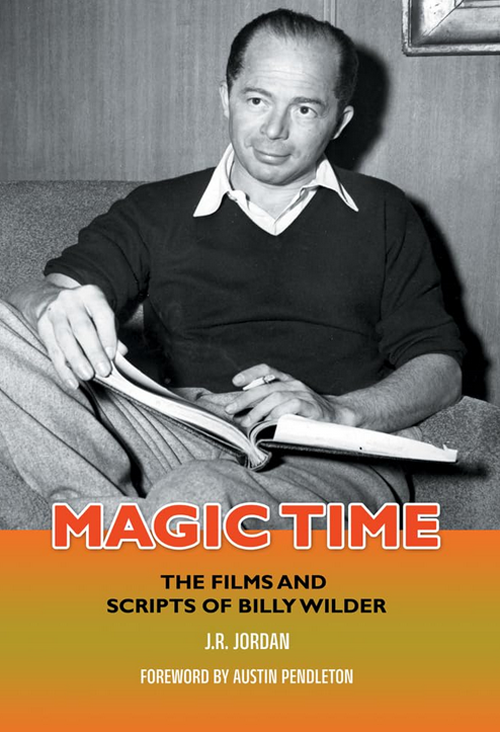

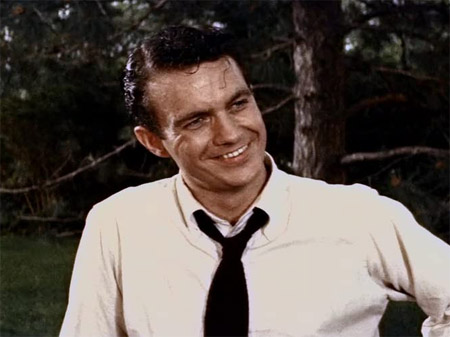
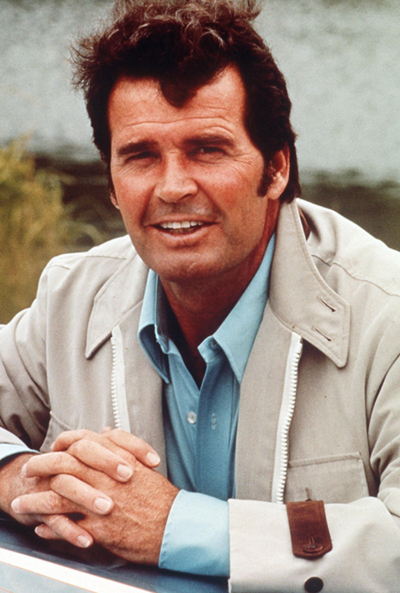
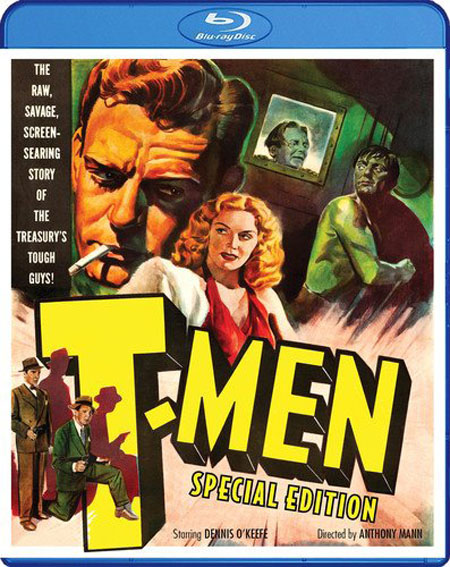
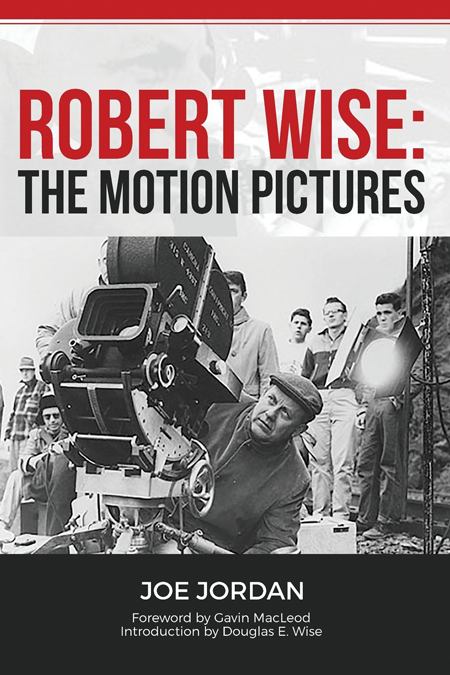
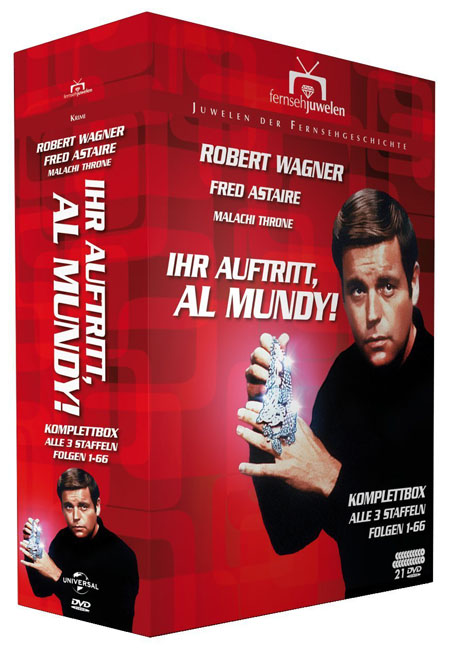
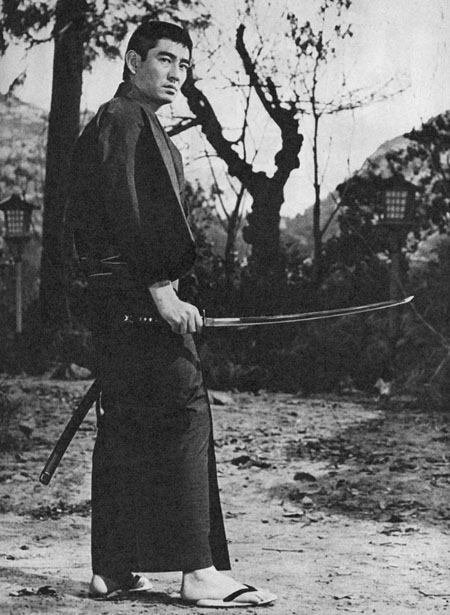
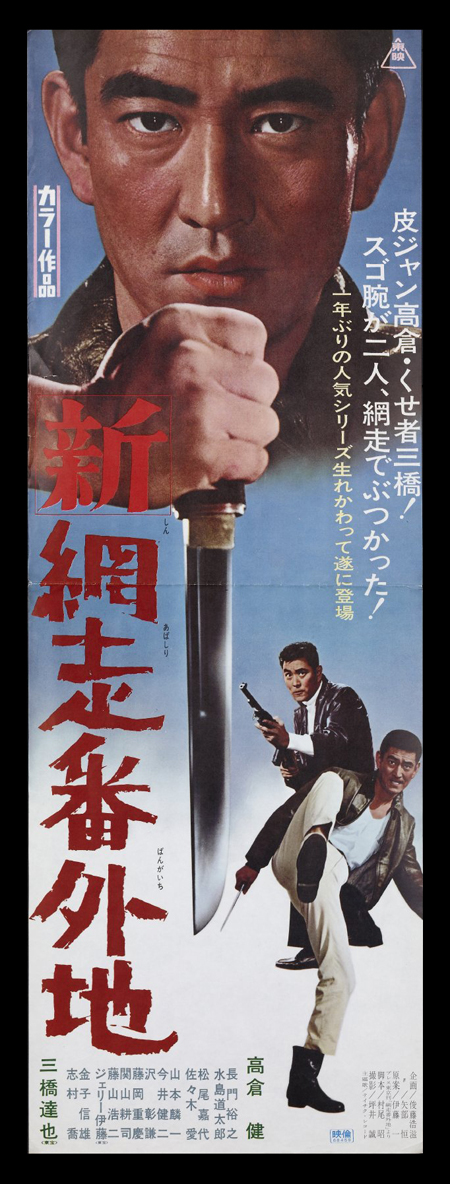
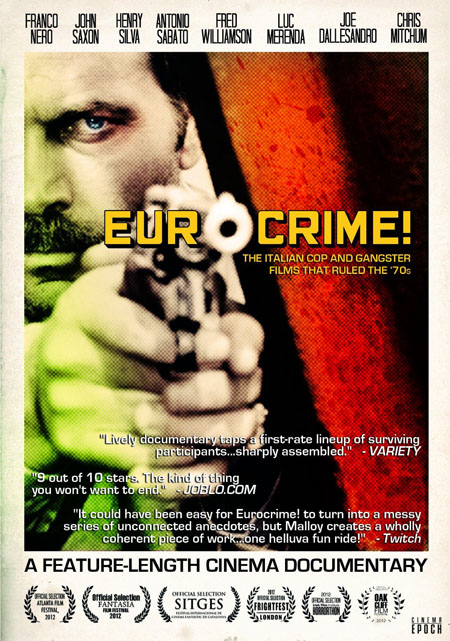
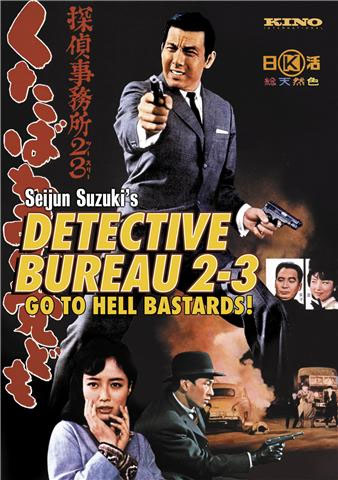
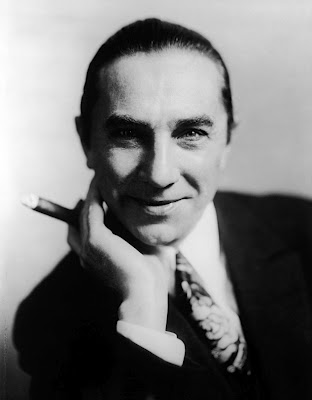
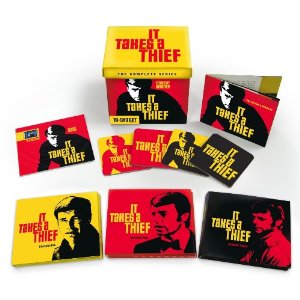
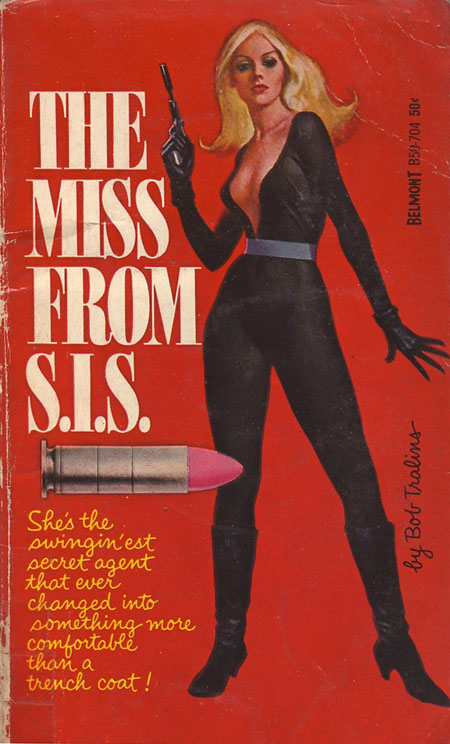
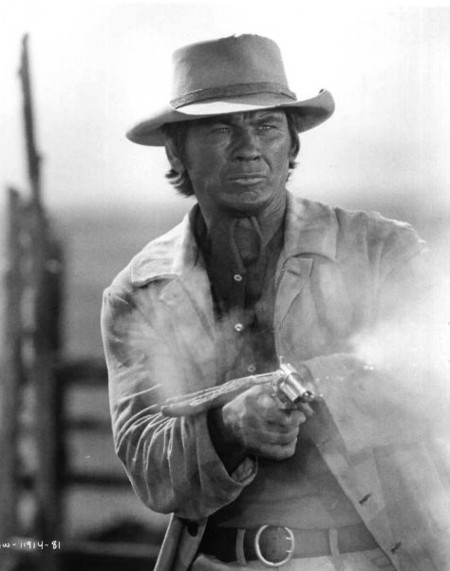
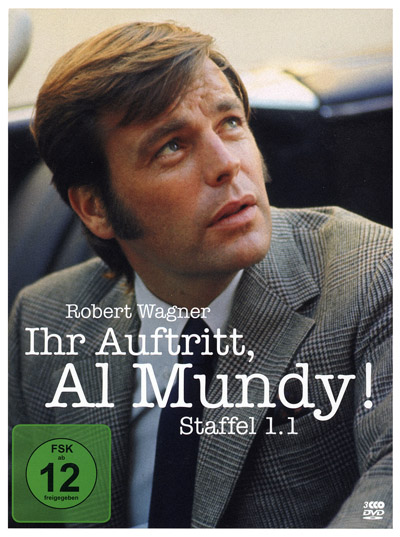

 Although never regarded as an auteur during his lifetime, his films were popular at the box office and generally well received by critics, his last two features being notable exceptions. Both The Heroes of Telemark (1965) and A Dandy in Aspic (1968) have long been considered failures. The former is a war film about Norwegian resistance fighters; the latter one of the bleak spy thrillers common during the sixties. Intriguingly, Mann invests both films with a paranoid tone reminiscent of the nail-biting noirs he cut his teeth on during his first Hollywood decade. A close reading of the films also reveals their stylistic and thematic consistency with his previous, more celebrated work. Now that both are available as Region 2 DVDs, it’s time for a long-overdue reappraisal.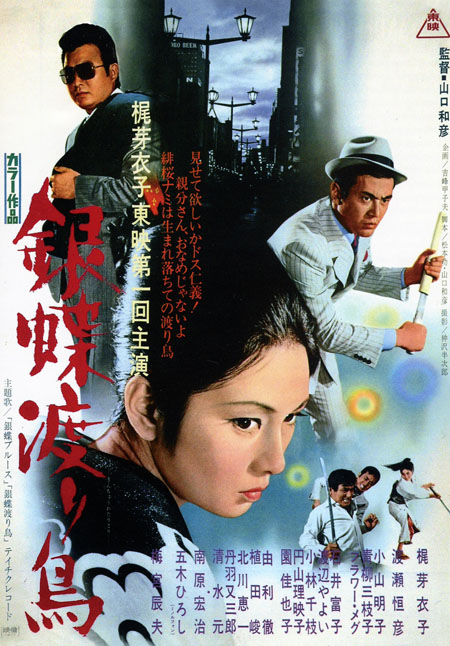
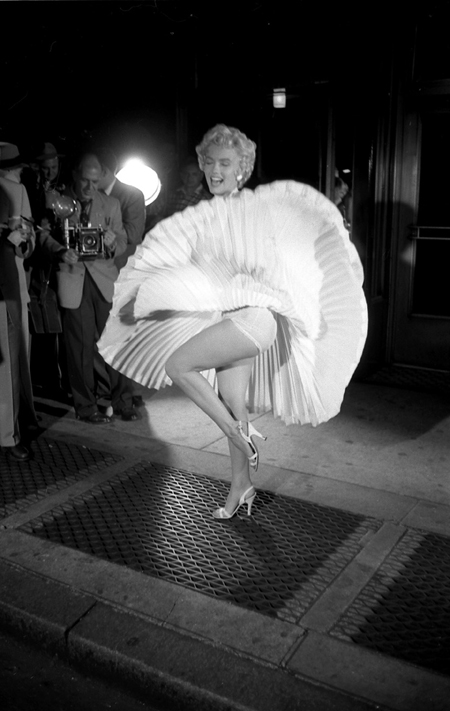
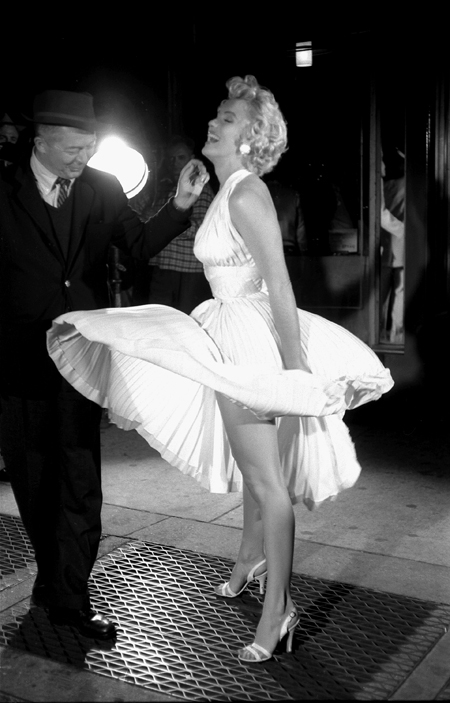
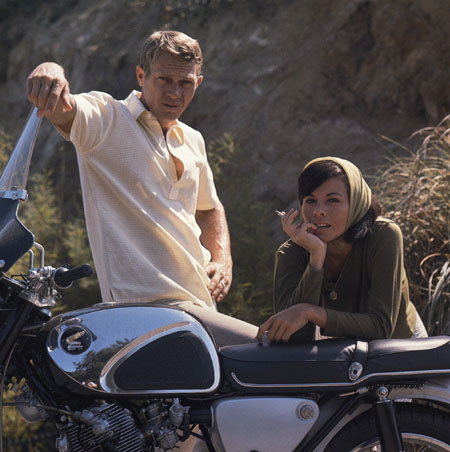
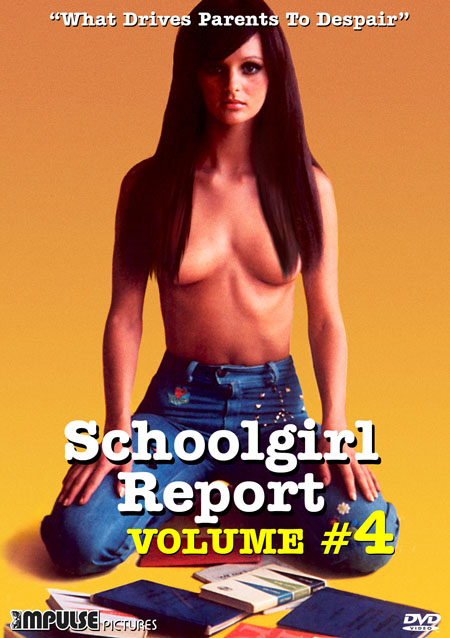
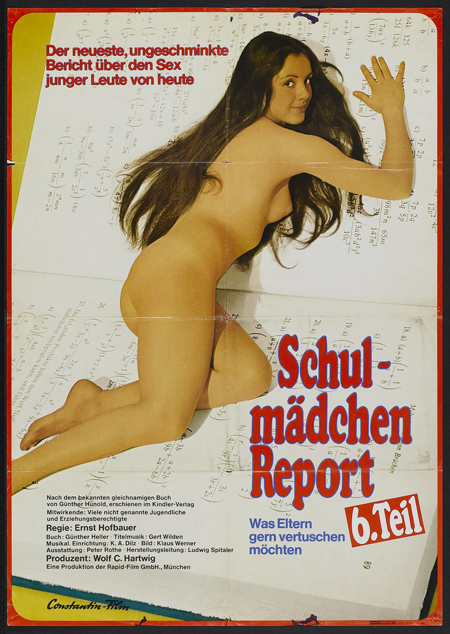
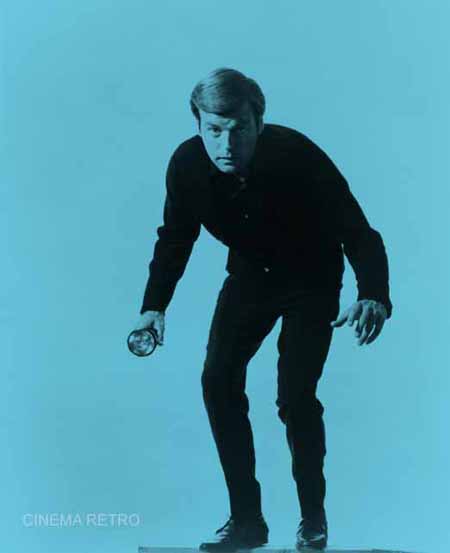
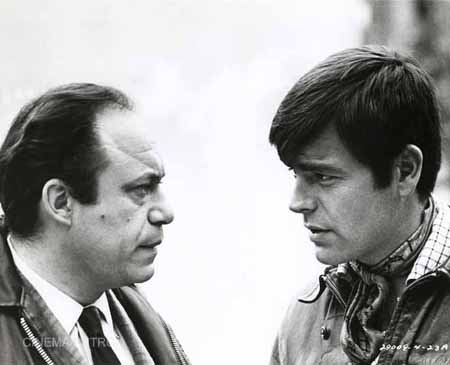
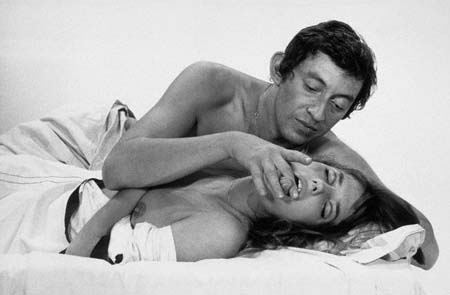

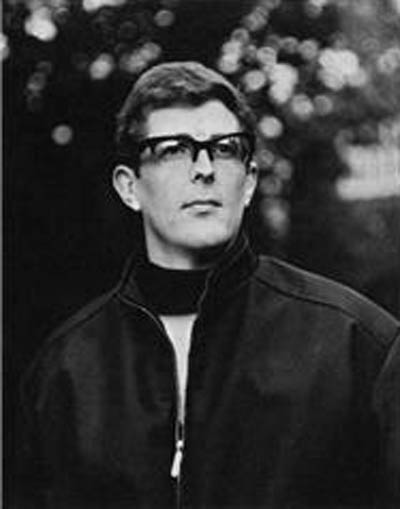
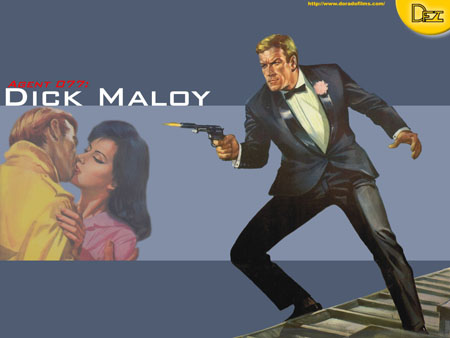


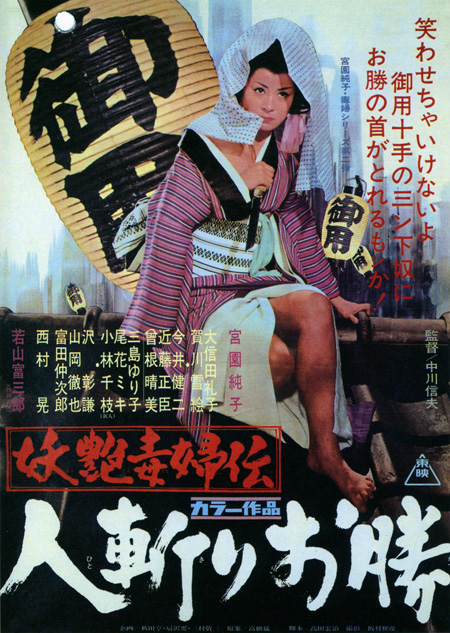
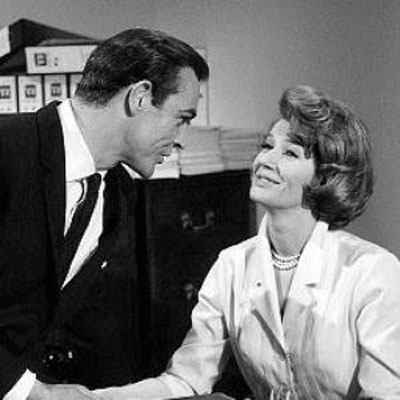
 Ed
Gorman is a writer of tough crime fiction that evokes in its relentless
narrative drive and brooding atmospherics the classic crime and noir films of
Ed
Gorman is a writer of tough crime fiction that evokes in its relentless
narrative drive and brooding atmospherics the classic crime and noir films of